• Home
  • About
  • Transformation Stories
  • Contact Us
  • Blog
    • Blog
    • Perspectives
  • Home
  • About
  • Transformation Stories
  • Contact Us
  • Blog
    • Blog
    • Perspectives
“How” Design Can Reduce and Not Add to Entropy
  • June 17 2019|
  • 0 comments |
  • Category : Blog

Today from the laptop you buy to the detergent you use – brand design is about making everything ‘woke’. As the design for socially conscious marketing increases, brands are battling FOMO (Fear of Missing Out). Diving deep into social issues, aping other brands’ design and marketing strategies are tempting formulas of success. Why reinvent the wheel, most say?

Brand marketers are quite obviously focusing on how to position their brand across a spectrum of action. And, unfortunately, often this leads to more entropy in brand design.

Take the days following the Supreme Court’s verdict on Section 377. Soon after the landmark verdict, we saw the social scene explode in rainbows. From food delivery to clothes stores to hospitality companies, alcohol and beverage companies and more, everyone wanted a piece of the rainbow pie. Everyone seemed to rise to the occasion without a thought as to how appropriate this was to what the brand stood for.

Yes, brands are aware of this ‘woke’ trend. However when it comes to brand design, how it communicates and what it communicates ties in directly to its relevance. In this sort of brand design, do you really think that your consumer cannot see through your motivations?

Entropy and the Black Hole

It is normal for brands to have to reinterpret their design in the context of the socio-cultural milieu. But that design has to reflect the brand’s purpose. Instead of adopting the herd mentality, take a pause. What are we achieving other than adding to this entropy? More noise. More chaos.

Why does the approach to brand design have to be influenced by what competition is doing? In fact, why does it even have to be driven by what the consumer is asking for -at the time? Why does brand design always have to take an outside-in approach? Isn’t that what everyone else is doing? And what’s more -isn’t that a race to the bottom?

Are brand managers not doing a disservice to their brand by making it look and act the same way as another brand? Where then is the uniqueness? To me, there’s no doubt. It makes more sense to look inwards to drive a paradigm shift in design. How do you stand apart if you don’t stand for anything?

Design to reduce Entropy – not to add to it

I’m clear that brand design now has to reduce entropy. Not add to it. And how can we do that?

  • You have to look inwards and identify the core values that define your brand to discover your brands ‘Purpose. Aligning all your strategies and actions seamlessly to the purpose helps you build a strong foundation to build on.
  • The design process also has to stop looking outside in and move towards looking inside out. You have to remain true to the inherent positive valance of a brand. Building your strategies on that core will inherently make your brand stand out and away from the chaos. There has to be this conscious effort to distance yourself from entropy, no matter how tempting it might be to do as others are doing.

But where does the customer come in? Well, there’s a strong sense that customers naturally align with brands with whom they share common values. This will ensure your audience relates to you at this fundamental level. You then have to identify the fundamental covert needs (and not the overt wants) of your customers/ “designees”. Only then should you create designs that aim at fulfilling the fundamental needs of your customers by delivering some value to them and their lives.

And what’s the role of the clever campaigns, brand messaging, tag lines, and other brand communications? Well, how else would the right audience get to know who you are and what you represent as a brand?

Airbnb, for example, created a stellar campaign called “we accept” just nine days after President Trump ordered the closure of America’s borders to refugees temporarily. This campaign was a huge success and one of the most praised ads during the Super Bowl. The campaign drove home the message, embraced by the “right” audience, that Airbnb was welcoming with no room for discrimination.

AirBnB

Ben and Jerry’s ‘Save Our World’ campaign came before President Trump’s controversial withdrawal from the Paris Agreement. Their creative efforts highlighted the severity and significance of climate change. The campaign worked because of its content as well as for the fact that the brand remained authentic and true to its purpose. Ben and Jerry’s have been known for the social stand ingrained in their DNA. They did not use this opportunity to sell more ice cream but used ice cream as an opportunity to shed light on a real social issue. That’s a fine example of value-first design.

Ben & Jerry's

Notice that I picked two examples of campaigns by brands that were focused on social issues or causes. Does this mean that I suggest brands embrace causes? Well no.

Clearly, finding a cause in today’s current climate is not a challenge. But identifying a cause that is true to and resonates with your purpose while staying authentic can be a challenge especially when everyone around you seems to be ‘doing’ so much. The communication design challenge here is to stay true to the Brand Purpose. If a cause resonates with that then pick it and if a cause doesn’t, even if everyone else is talking about it, then don’t. Brands need to create a purposeful voice. Not just a loud one -that’s just chaos.


(This article by Shekhar Badve was originally published in afaqs! on May 07, 2019)


Don’t Confuse Charity with Brand Purpose
  • June 17 2019|
  • 0 comments |
  • Category : Blog

Screen Shot 2018-04-10 at 8.01.08 PM“It was the best of times. It was the worst of times”…Dickens could’ve been talking about the marketing and branding landscape of today.

Indeed, it is the best of times. We have a global audience. We can reach them and connect with them across mediums. We can build meaningful connections. We can be creative, demonstrative, and responsive.

And then just as we have the opportunities, we have the increasing cacophony of noise that comes from entropy…deafening us and leaving us confused and blindsided, tempting us to imitate what everyone else around us is doing.

Charity or CSR has suddenly burst onto the marketing landscape almost as a new marketing weapon. The cry is that the expectations from brands are suddenly changing. They are now expected to draw inspiration from real-life, authentic stories to build a connect with their audience. They are leaning towards human psychology to determine what emotions provoke actions.

The millennials can be credited for creating this perception. As this generation becomes the primary influencers of businesses, it is hard to ignore what they want…what they expect. Conventional wisdom in some influential circles is that this segment is drawn to brands that are linked to a compelling social issue. It’s widely believed that the customer of today finds it hard to connect with a business that devotes time just to make money and spends none to make the world a better place. And sure enough, organizations are ramping up their social and CSR initiatives. But does this strategy make sense?

Are we putting the currency of Purpose at risk?

We all agree that today Purpose is the new black. The new authentic. And today by indulging in charity and CSR acts, organizations want to buy social capital. Is there anything wrong with that? At the societal level, of course not.

Today’s consumer likes to think of themselves as ‘good people’. Quite obviously, they want to do business with a brand that has an altruistic side. And while CSR activities are a great way to show consumers that you care about something bigger than yourself, making charity interchangeable with Purpose is an invitation to disaster.

Charity and Purpose – Are not two sides of the same coin

Purpose, in itself, has a higher mission. It links back to a brand’s core values. Purpose offers more than just profit. It focuses on the value the brand wants to deliver to the consumers and yes, even, society in general. Purpose is demonstrated through the actions, strategies, and communications of the brand. Purpose has to be a part of the DNA of the brand. Purpose is a business driver – It answers why you do what you do (rather than just what you do). This is how your consumers realize how the brand aligns with their share of personal beliefs.

CSR and all charity activities are an offshoot of brand Purpose. A great way to improve brand equity. To that crude extent, Charity and CSR initiatives are marketing initiatives, one of the several methods that a brand can leverage to demonstrate its Purpose.

Let’s take Lego’s Sustainable Materials Centre as an example. This center is dedicated to research, development, and implementation of new, sustainable, raw materials used to manufacture LEGO elements as well as packaging materials. In today’s environment that demands sustainability, this stands out as a great CSR example. But how does this play into Lego’s Purpose? The answer is, complex. Lego’s Purpose is to “To inspire and develop children to think creatively, reason systematically and release their potential to shape their own future – experiencing the endless human possibility.” Lego has taken this responsibility to children and the future head-on in many ways. They rolled out a commitment to reducing their environmental impact and achieved 100% energy usage from sustainable sources a full 3 years ahead of schedule. The commitment to reduce the plastic in their bricks can be seen in this light. It makes sense.

The Dutch seem to have got the difference between CSR and Purpose spot on. According to the Dutch Corporate Governance Code, CSR is a goal that cannot be pursued by itself. It has to be an “integral part of the day-to-day operations of a company that focuses on long-term value creation.”

Organizations can no longer be innocent bystanders to what is happening in our society. They have to play an active role in serving the communities that sustain them. So when Coca-Cola launches a strategy like World Against Waste that promises the equivalent of 100% of its packaging will be collected and recycled by 2030 or when Adidas created Earth Day football tee shirts worn by all 23 of the US’s Major League Soccer (MLS) teams made from upcycled ocean waste or when Nike sparks controversy with its ad starring NFL quarterback Colin Kaepernick to protest racial injustice we take notice. And we applaud the brand.

But while brands do this, they have to be careful about being genuine. If they are not, they risk being called out. The touchstone is whether the cause fits into the Purpose of the brand.

Taking a stand on social issues is laudable. But if your actions do not align with your track record or your core values, your consumers won’t believe you.

So, what a brand stands for today might well include CSR and charity. But ‘Purpose’ is what it stands for today and for the foreseeable future. Ultimately what your consumers want is for you to be authentic and trustworthy. It is Purpose that helps you decide how best you can help my community. It helps you take actions that reveal your true and authentic self. By remaining rooted in your brand Purpose you can walk the good talk.


Write to us on info@lokusdesign.com.


“Why” design should focus on reducing/ not adding to Entropy
  • June 17 2019|
  • 0 comments |
  • Category : Blog

Screen Shot 2018-04-10 at 8.05.11 PMEntropy, the tendency of systems to move progressively from a state of organized to disorganized diffusion, is one of the most powerful forces of nature. It can be quietly deceiving, sneaking up on you when you are not looking. Much like an organized children’s toy shelf. Organize this shelf and look away and soon you’ll find it as disorganized as before…unless you continuously fight the entropy and consciously keep returning the toys to their right places.

When it comes to brand design, entropy is everywhere. There is so much noise. So much chaos. So many brands clamouring for your attention over the same trending issues. Where does this noise come from? Why is brand design adding to the entropy, the chaos that already exists around us today?

Where does the entropy come from?

Entropy in brand design is driven by our innate nature of constant external referencing. Much like how we were asked to ape everything that the ‘first ranker’ did in our school days. We can blame entropy on the years of social conditioning -the grass was always greener on the other side. And thus, the need to blindly imitate that. Context be damned!

Brands are also constantly battling the insecurities that come from a highly competitive market. The consumer is changing as well. Millennials constitute a major part of the buying population. They are believed to be fickle, unswayed by traditional marketing messages, and known to have an affinity towards brand designs that take a stand.

There is a hyper-competitive instinct that kicks in when the competition does something or some “trend” sweeps through the public consciousness (especially on social media). This is especially true in the age of the woke customer. From gender bias to communal harmony, brands are rushing to adopt a ‘belief-driven’ design strategy to cater to the new belief-driven buyer – the millennial.

The bad news is, this often leads to anxiety and more insecurity. That further translates into impulsive reactions. Such entropy in brand design only increases over time and takes the brand down the rabbit hole into a spiraling race to the bottom.

However, it is interesting to note that some brands suffer more than others. I believe that it is only those brands that are not closely aligned or are not aware of their Purpose that get afflicted.

When design adds to entropy

German historian and philosopher Oswald Spengler makes a very astute observation that we can even apply in the brand design context. He believed that every civilization lives by an “idea”. That idea is a concept of its own unique identity, passion, feelings and a sense of its mission and destiny. This is what is important in any civilization. I suggest that it is so in the case of any brand too.

The struggle to remain true to that idea against the power of chaos can be extreme. But that struggle must be won to remain true and relevant.

Like I’ve said, an undefined purpose or a lack of awareness and alignment with the brand Purpose leads to design entropy. Because you are so busy imitating the next, you end up as just another fish in the can of sardines. When brand design only adds to the entropy and does not work hard to stand above it only adds to the drain – the drain of resources, of time, of energy and of human potential. And why is that? Because your design does not emerge from inside out but stems from outside in. It becomes shallow, inauthentic, and, ultimately irrelevant.

Can design reduce entropy?

YES!

Think about a rocket and a parachute. A rocket is designed to go very fast. A parachute is designed to slow down an object in motion. They behave differently because they have been designed differently. And they have each been designed to serve a ‘purpose’ and thus they behave in the manner that they do. Trying to imitate a rocket would be foolish for a parachute and vice versa would be a disaster for the rocket.

Unless you identify a strong purpose that emerges from the values that the brand has and its inherent strengths, your brand will only add to the noise. Brand activism is fine, but that too has to be in consonance with your brand’s purpose. Take Gillette for example. Gillette has been in the business of ‘masculinity’ as we know it today. With its new campaign, Gillette has moved from “the best man can get” to “the best that a man can become”. This shift adds tremendous value to the brand and opens up opportunities to create more value in the lives of their customers.

Nike has been another brand that has taken on brand activism as a marketing strategy. Their ‘Dream Crazier’ campaign shatters the gender barrier and celebrates the women in sport who just did it. Not only did they make a great advertisement, but they also created a solid brand design that leveraged a social issue to show that they can sell shoes leveraging progressive social commentary. If we as brand managers take the inside-out approach, it is easy to see that brand design can and should reduce the entropy.

Brooke Bond, on the other hand, tried to piggyback on the wave of trends when Section 377 was revoked.

However, in the case of Brooke Bond, their “Rakesh and Rohan” advertisement on Instagram almost seemed like preaching to the choir. It came across as a wannabe attempt to connect with a new audience. The brand only made targeted promotions on Instagram. Not one TV ad and not one print advertisement declaring that Brook Bond caters to the LGBTQ community. How many pro-LGBT ads did we see between now and when homosexuality was re-criminalized? Probably none.

From the consumer’s standpoint such actions drive the perception that while the companies are capitalizing on the emotions of its users, their allegiances can sway in whichever direction the wind blows.

Reduce entropy in brand design to reveal authenticity

When brands consciously focus on reducing entropy they reveal their authenticity. And authenticity offers a valid reason to be attracted to a brand.

Brand design that rejects entropy and stays close to the brand’s purpose and its inherent positive valance remains relevant even in a rapidly shifting socio-cultural milieu.

When design reduces entropy, brands can maximize their time, money, and energy they expend on their initiatives. They can drive their potential to achieve more synergy and fulfillment and not just ride a popular wave but lead it.

Much like what Vicks did when they featured a trans woman in their campaign when there was no Supreme Court judgment trailing behind. And their customers noticed.

There are many examples of how brand designs have turned into PR disasters. The Pepsi campaign around Black Lives Matter received an epic backlash because the consumer saw through Pepsi’s stand of co-opting social issues for profit. The recent Surf Excel ‘Holi’ campaign was seen as no different.

The risk is, trying to be relevant can easily backfire. And that’s because design without purpose doesn’t work. And while it might be tempting for brands to piggyback on a cause or trend, it always makes sense to resist this temptation.

Clearly, as brand managers we have to realize that every trending # is not for us to ride. We have to look inwards to identify what resonates with our brand’s reason for being and speak accordingly. And sometimes that may mean not to speak at all.


Write to us on info@lokusdesign.com.


Designing immersive spatial experiences for reducing Entropy
  • June 17 2019|
  • 0 comments |
  • Category : Blog

Screen Shot 2019-06-17 at 11.44.22 AM

Have you heard the story of Chicken Little? The story of the little paranoid chicken who kept alarmingly announcing, “the sky is falling”. Today, Chicken Little could very well be exclaiming “the experience is falling. The experience is falling” as we get sucked deeper into the experience economy.

What’s alarming about being driven by the experience economy, you ask, especially in the context of branding. Aren’t experiences driving businesses? If we take a look around, all brands are now getting hyper-focused to create brand experiences that build their brands’ perception. This makes sense, especially because brand perception is put together with every little piece of interaction with the brand. And of course, that applies to the physical space that accommodates the brand as well.

The space that houses the brand cannot be inanimate. It can no longer be passive. If it is then how can it drive brand experience? How does it then impact brand perception? How does it create a discerning value?

The brand space is not only about accurately positioning the merchandise and the brand logo. It more than color schemes and color palettes. Brand spaces have to be designed such that these convey ‘meaning’ to the customer.

The play of purpose

So where does the chicken little story play here? Why did we begin with that story?

You see, one of the main objectives of any branding exercise is to stand out in a crowded market place. And today everyone is just doing that. In this constant tryst to stand out in the experience economy we are bombarding our customers with, you guessed it right, ‘experiences’. But have you for a moment thought, ‘am I doing it right’ or ‘am I doing too much’? Because everyone today is creating ‘experience centers’, I must do it too. And the chaos continues.

Today every brand is hyper-focused on customer experience. Customer experience has become the driver of revenues. Consider that 86% of buyers are willing to pay more for great customer experience. Customers are also willing to pay a 13 – 18% premium for luxury and indulgence services.

So, experience is everything today. But will you achieve brand success if you blindly jump on to the ‘experience’ bandwagon? Will just following some ‘spatial design shiny new thing best practices’ support your brand through its journey? Are you following the principles you should? And, should you also design an experience center because it is ‘the’ trend of the season?

Logically, the answer to the above questions is ‘no’. Why? Let’s highlight these points

  • The objective of spatial experience design is to be unique to stand out
  • It cannot be copied. If it is, then it is not unique
  • It has to stand for ‘something’ and has to be aligned to ‘something’. ‘Something’ here cannot be a trend

If you blindly follow the trend, then what difference between you and Chicken Little?

So, what word can replace the ‘something’ in the statement? That word, simply, is ‘purpose’.

Purpose and spatial design

Reflecting brand purpose in the brands’ physical space isn’t usually an obvious consideration. How do you even reflect purpose, the compelling reason for your existence, into spatial design? Are we not expected to follow a design principle when it comes to physical spaces?

Purpose represents what the brand stands for…what it is. It forms the core of every experience and every action of the brand. Take Adidas’ HomeCourt concept stores. These stores mimic the sports arena designed with the objective to make the brand experience more immersive. Everything in the store resembles a sports arena. The entrance resembles the tunnel players use to emerge on to a sports field. The shoe department is a locker room. There is a sports reference in ‘everything’! This spatial design builds on experience that emerges from the brand’s purpose – to be the best in everything sports. And it works.

The Lexus experience center in New York puts the ‘E’ in experience. You’d think that the automobile giant would build this experience center around automobiles. They, however, keep all covert and overt mentions of their product out of this center. The focus here is on the experience and what an experience they deliver. The purpose of the brand is to “Create Amazing”, and they very well do it here!

Experience without purpose equals entropy

Keeping purpose at the center of spatial experience is necessary not just to create that ‘wow’ factor and engage the client in a meaningful way but also to reduce entropy. Entropy is just noise. It is just blindly following the herd mentality – he is doing it, so must I. How can this be a strategy for a meaningfully unique experience?

Without alignment with purpose, creating a spatial design will only drain your resources – both human and financial. Without it, you will only expend your energy and spend valuable dollars to create designs that are clones. How can that deliver value to the customer? How can that build your brand perception? “This is just like XYZ”, your customers will say. The objective of creating an experience then lies defeated. And then we just cry, “the sky is falling”.

Today brands have to be more aware, more deliberate in each of their actions. Designing immersive spatial experiences is no different. Only by staying close to the brand purpose can you ensure that your consumers are not just captivated by the layout but also by what the brand stands for and its core essence. Staying true to brand purpose is the secret ingredient for brand success, even when it comes to spatial design.


Write to us on info@lokusdesign.com.


What a Classic Brand Can Do to Stay Relevant to Gen Z
  • June 17 2019|
  • 0 comments |
  • Category : Blog

Hiring-Generation-Z-e1536931806839

The arrival of the millennial generation has changed the business landscape beyond recognition in the last 20 years. Worldwide, millennials formed the largest section of the working population in 2018. To accommodate the needs of this generation, companies made several changes; they introduced the concept of remote working, flexible timings, non-hierarchical structures, and the extensive use of technology. The same has happened on the branding front.

Brands had to adopt a completely different approach to communicate and connect with this well-informed generation. While most brands pulled up their socks and metamorphosed to accommodate the changes demanded to engage this generation, several others found it challenging to keep up with the millennials. Now, if you think millennials were difficult to deal with, here’s the update, an even more aggressive generation has just arrived- Gen Z.

Born after 1997, Generation Zs are known to be independent, super-connected and pragmatic. Roger Casey, president of McDaniel College in Westminster, said that “Gen Zs grew up in a dramatically different era. We’re just beginning to see transitions that are going to make them distinctly different from the younger people. ”

Gen Zs have lived their entire life in the era of mobile technology and have had access to social media for most of their lives. Therefore, brands will now have to change their approach yet again to stay relevant to this generation. Bobby Calise, Vice President of Ybrands, shed light on this subject- “In the past, brands might have considered playing it safe for fear of alienating its customer base. But in today’s social and political climate, not taking a risk is arguably riskier- when it comes to brands taking stands.”

Of course, taking a stand comes with its own risks. It’s tempting to succumb to the chaos of the marketverse and take “cause of the day” positions. This will draw eyeballs and get attention. But the risk is that the brand will appear inauthentic and untrustworthy. Thus brands need to pick stands that align with their core values and the Purpose that drives them.

Of course, it is easier for new brands to take risks and change their marketing strategy to connect with Gen Z because they have no baggage of past association. This is not the same for classic brands. They are well-known, their motivations and values are established, and they have been in the full glare of public opinion for years. So, what can famous age-old brands do to stay relevant to this new generation? Let’s take a look at a few brands that know how this is done.

Dove

Dove entered the market in 1955. It is sold in over 80 countries and is used by men, women, and babies. Despite having been in the market for 64 years, Dove has succeeded in creating magic and attracting the newest generation of buyers- Gen Z. And they’ve done it beautifully and uniquely. They released a new campaign addressing the unique struggles faced by adolescent girls. They have always focused on “real people”. By continuing to defy social conventions and unrealistic standards of beauty, Dove touched the hearts of the Gen Zs by making them feel like there’s more to them than just superficial and unattainable ideals of looks.

Adidas

Founded in 1949, Adidas has been a manufacturer of shoes, clothing, and accessories for about 70 years. In spite of the brand’s age, it is a favorite amongst the Gen Zs. Its recent Stan Smith collection made it Gen Zs favorite sneaker brand. Apart from its street style aesthetic which appeals to Gen Z, Adidas has been a pro at marketing as well. Adidas used pop culture to attract their audience. Adidas partnered with UK grime artist Stormzy to market its sportswear range. They promoted themselves as a youth-centric brand with an edge in design. The strong focus on sports continues, even as the sports themselves adapt to the changing generations.

Maybelline

A survey revealed that Gen Zs spend more on beauty than on apparel. And when it comes to shopping for cosmetics, age-old brand, Maybelline is a surprise favorite amongst the Gen Zs. Founded in 1915, Maybelline has been around for 104 years. Yes, you heard it right- it’s been over a century since this cosmetic brand has been in the market. Apart from providing excellent quality at pocket-friendly rates, Maybelline attracted Gen Z by collaborating with influencers to ace their social engagement game. Maybelline appointed Gigi Hadid, a famous youth icon to promote their products on social media. They talked to their audience where they lived their lives -online. The message is the same but it’s delivered in a very current vocabulary and meter.

Levi’s

Founded in 1853, Levi’s has been in the market for 166 years. Levi’s is a perfect example of a brand that has accommodated the Gen Zs but has also maintained its heritage brand. Recognizing that the generation needed to be addressed differently, Levi’s went out of its way to engage with representatives of the generation. For instance, they rolled out a flagship store dedicated the Gen Z in consultation with a German agency run by teenagers. In keeping with its age-old story of fashion with practical utility, the brand introduced variants of stretchable and athleisure pants. These products were appealing to the Gen Zs, but Levi’s also continued to manufacture its range of standby products. Well, this is how you get the best of both worlds!


The key takeaway from these brands and their youth-focused marketing campaigns is how they all exhibit the free-spirited and break-free attitudes of Gen Z. This new generation does not accept stereotypes and has its arms open to diversity. But the cornerstone of their success is authenticity and staying true to what the brand represents. Clearly, if brands want to attract this unique lot, they must shift their perspective and tell an old story in a new way.


Write to us on info@lokusdesign.com.


5 Myths about brand purpose that you must not believe
  • June 17 2019|
  • 0 comments |
  • Category : Blog

Screen Shot 2018-04-10 at 7.57.59 PM

There’s a new kid on the block making a lot of noise – say hello to Brand Purpose, said every ‘purpose-driven’ marketing campaign ever.

But if you take a pause and reflect, you’ll see that Purpose has always been the beating heart of the brand. Take a look at Nike, Dove, Body Shop…these brands live their purpose and hence always occupy a meaningful mind space with their consumers.

However, we seem to have got something mixed up here. Owing to the rise of ‘conscious consumerism’ we are being hit by a tsunami of ‘purpose-driven’ marketing campaigns. We have to admit that these campaigns seem quite convincing. We want to believe that the brands we trust are doing good, being good. But is that what purpose is? A marketing campaign carefully designed to sway customers into believing that you exist for doing good?

Before we go ahead and discuss 5 myths (amongst the many) about brand purpose, let’s take a moment and understand what brand purpose really is. Simply put, purpose is the reason why a brand exists. It is the essence that makes a brand relevant and necessary to their consumers. It sits front and center of the brand vision and dictates every decision a brand takes.

There is really no ambiguity when it comes to brand purpose. And yet, much like folklore, it has suddenly become susceptible to many myths.

Myth 1 – Purpose equals charity (or CSR, take your pick)

Repeat after us, “Purpose is NOT charity”.

While it can be easy to get lost in the labyrinth of purpose and charity, let us assure you these two are not the same. Charity is, quite frankly, a marketing initiative that a brand can leverage to showcase its purpose. It is a great way to improve brand equity and displays the brands’ altruistic side. And who does not love this? We all want to be associated with something ‘good’.

But purpose is higher than this. Purpose links back to the core values of the brand and answers the question ‘why you do what you are doing’. Purpose is also a business driver – it helps people realize how the brand aligns with their share of personal beliefs.

So, while Toyota might be setting up a hundred schools for the economically deprived and while it is a great initiative – this is not what Toyota’s purpose is.

Myth 2 – Price Trumps Purpose With the Customer

Who doesn’t love a good bargain? Did all hands shoot up in agreement? But when it comes to choosing between price and purpose, purpose always wins the game.

Don’t get us wrong – people still want to interact with a brand that sells quality products at fair prices. But as our social environment evolves, a brand no longer belongs singularly to the company that invests in it and monetizes it. Brands today are community property, belonging to the shareholders, the employees who work for it, and the customers who vouch for it.

According to the New Accenture Strategy research, the customers of today are looking to buy from brands that resonate with their personal values and beliefs. Given that we are moving into the era of radical transparency, customers want authenticity from their brands. And brands can only remain so if their actions come from their sense of purpose.

The price wars were yesterday’s battleground. Today it is all about purpose.

Myth 3 – Purpose is exclusive to B2C brands

How many of you think that purpose is exclusive to B2C brands? If you are a B2B brand and think that purpose does not matter, maybe it’s time to look at purpose from another angle.

The fact is, Purpose is extremely important to your customers. But it is vital to your employees. With the rising numbers of millennials joining the workforce, it is the purpose-driven companies that will survive. You see, your employees are your internal customers. And to create differentiated value for them, to keep them attracted and loyal to you, you have to be purpose-driven. Don’t take our word for it. Here is the data:

  • PwC’s recent Workforce of the Future survey discovered that 88% of them want to work for a company whose values reflect their own
  • According to the Deloitte 2017, Global Human Capital Trends report, most millennials look beyond a company’s financial performance when deciding whether or not to work there.

Along with this, purpose also matters for B2B brands because unless you have a strong sense of purpose, how will you create a differentiated experience for your customer? How will you transform your sales conversations? Won’t it be easy then to get trapped in entropy and chaos? Won’t all your initiatives be originating from aping what your competition is doing?

Chances are, as a B2B brand you do have a ‘purpose’. You perhaps need to articulate it clearly and ensure that all your organizational initiatives stem from it. Organizations like IBM, GE, Caterpillar, etc. have recognized this. Perhaps not coincidentally, they have withstood the test of time and have continued on their success trajectory.

Want to see a great example of how B2B companies use purpose to elevate their brand status? Check out this campaign by Caterpillar.

Myth 4 – Purpose and profitability are mutually exclusive

Do you think purpose and profit are mutually exclusive? That if you are driven by purpose then you cannot rake in the sales?

In reality, nothing could be further away from the truth. Purpose-driven companies are seen as organizations that stand for something bigger than what they typically sell. It is because of this that they achieve higher levels of commercial success since by doing so, they begin to mean a great deal more to their customers.

Unilever is a great example of a brand that leverages purpose as a core driver of growth. Driven by the purpose of Making Sustainable Living Commonplace’ to drive their business strategies. By doing so they have achieved a trusted status with their consumers and have created a community of loyal, engaged and valuable stakeholders. Growth has been a logical consequence of their focus.

Myth 5 – Customer beliefs influence brand purpose

It is clear that purpose can swing the pendulum in your favor. By being true to your purpose, you can create a strong community of loyal customers. But to design brand purpose on the basis of customer beliefs is a recipe for disaster.

It is true that by staying strong to your core purpose you could even be alienating a certain target audience. For example, when Nike released their advert featuring NFL quarterback Colin Kaepernick, they won many pats on their back. But they did, at the same time, see people burning Nike products as well. Many social media posts carried the hashtag #JustBurnIt, a play on Nike’s “Just Do It” slogan. But did this uproar impact Nike adversely? The answer is a resounding ‘NO”. They stayed the course because this was an authentic representation of what they truly believed in.

You cannot always do what makes others happy. This is as true of branding as it is of personal life. Brands thus need to look inwards, identify their own positive valance and define their purpose – their reason to exist. It is only then that they remain authentic and attract the right set of customers towards them. And it is these customers who remain loyal to the end and continue to contribute to the brand’s bottom line positively. That’s what Purpose is. And what it’s not!


Looking to define a clear Purpose for your brand? Write to us on info@lokusdesign.com.


Effective Brand Strategies in the Age of the Distracted Consumer
  • June 17 2019|
  • 0 comments |
  • Category : Blog

Screen Shot 2018-04-10 at 8.15.57 PM

In the digital era, we are perpetually surrounded by buzzing phones and notification alerts. Our consumers are no different from us; they are surrounded by distractions as well. Today, brands have a tough job in catching the attention of prospects. Marketing has never been more challenging, —especially for new brands. Influencing customers and getting their attention takes more than just an excellent product, customer service, catchy headlines, and an appealing value proposition.

The one strategy to rule them all

To win this tricky battle, new-age brands are seen offering exclusive deals and big discounts to outdo competitors. While surely these techniques can help businesses reach their short-term goals, they don’t lead to long-term customer loyalty. For effective brand building, you need to build trust with customers; a one-time discount or steal deal can’t achieve this. If you look at the most renowned and longest-surviving brands, you will realize that they’ve created and nurtured emotional connections with their customers, turning them into devoted followers.

Today, it’s a given that to flourish, it is vital for brands to stay connected with the distracted customer. And how do you establish this connect?

Well, if you look around, you’ll realize that even though there are a million distractions, everyone is craving to be part of something bigger. They’re looking for a deeper meaning; people want to connect, to grow, to make a difference. People who are passionate about having a purpose will automatically be attracted to the idea that your brand has one, too. Therefore, the foundation of your marketing strategies should be your purpose.

If you’re wondering how you could communicate your purpose to impact the distracted consumer, then here are three things that you could do:

Emotional Branding

Emotional branding is about establishing a brand that engages directly with consumers’ emotions, needs, and goals. With emotional branding, brands can trigger an emotional response in consumers. By arousing emotions, brands can create a bond which embeds itself into traditional consumer decision-making patterns. This is highly beneficial because creating an emotional relationship with consumers can boost profits. Brands such as Coca-Cola and Nescafe are examples of how building emotional connections with customers directly impacts sales and increases brand value.

Related image

People get to show what they believe through the brands they buy. As it happens, consumers are also willing to pay more and go out of their way to do this. Brands have to position themselves in a way that connects and resonates with their target audience. Research reveals that customer value is maximized by brands that help consumers feel like they belong within the ‘brands’ values. This is done by making customers understand that their interactions with those brands are an extension of their natural beliefs. Apple and Nike are perfect examples of this approach. Apple connects with its consumers by showing how it understands their needs; Nike does so by showing customers’ how their dreams and ambitions are understood and supported.

Image result for nike emotional ad

Conveying an Explicit Message

The clearer you are with your communication, the more impactful your brand communications will be. Instead of creating heaps of marketing material with all sorts of fancy designs and text, focus on making your core message clear and explicit. Do not assume that customers understand what you do or sell. Your audience must know what makes your brand tick through everything that you say and do.

Clarity is a strategy that helps to cut through today’s turbulence and clutter and make your branding activities more effective. A survey revealed that a user only reads 28% of the text on your website before leaving and having a clear message can help reduce your bounce rate by 20-30%. Think of that in terms of the impact of your message -how many people read it and of that, how many understand it enough for it to resonate?

The key here is to be authentic and aligned to your core. A transparent demonstration of your values and a consistent alignment with that across all channels, media, and other strategies will help the message get through even in a chaotic and noisy marketplace.

Humanize Your Brand

As a brand, your focus should always be on providing a memorable customer experience that showcases exactly what your brand represents. Giving a glimpse into the people that make up the brand and connecting with the human motivations of your customers will help you deliver just such an experience.

Often, it’s the little things. Touches like having team-members sign their names on customer-support emails help in showing your brand’s human side. Online makeup stores Colourpop and Kylie Jenner show their human side by doing just this. For each order, they beautifully wrap up the product and write a personally addressed thank-you note to the buyer. Now, who wouldn’t appreciate such thoughtfulness?

Image result for colourpop thank you note

In conclusion, when the heart of your brand narrative connects deeply with your customers and nurtures their emotions, it creates a new tone for your marketing strategy. That will help you catch the eye of those customers whose values align with your own. The relationships with those customers will also be more enduring since they will be based on a foundation of shared values rather than something monetary. This will help you to attract customers and convert them into enthusiastic brand ambassadors.


Write to us on info@lokusdesign.com.


6 brands that are killing it with a conscious consumer
  • June 17 2019|
  • 0 comments |
  • Category : Blog

Screen Shot 2018-04-10 at 8.18.13 PM

Did you know:

  • The apparel and footwear industries account for a combined estimate of 8% of the world’s greenhouse gas emissions.
  • It takes 1200 liters of water to produce just one cotton t-shirt.

Well, the regular consumer today knows -and cares!

Sustainability, ethics, and transparency are taking center stage with consumers today. They no longer feel pressured to support brands for delivering nothing more than just a great product, they want more, and rightly so.

Consumers believe that corporations have a social responsibility to give back to the community in some way. They feel that the third industrial wave may have made factories and brands more efficient but at a tremendous environmental cost.

It’s clear that brands that do not authentically adapt to the increasingly conscious consumer, will get left behind.

To garner some inspiration, here are 7 brands that are doing a great job by authentically and mindfully connecting with the conscious consumer.

#1. Google

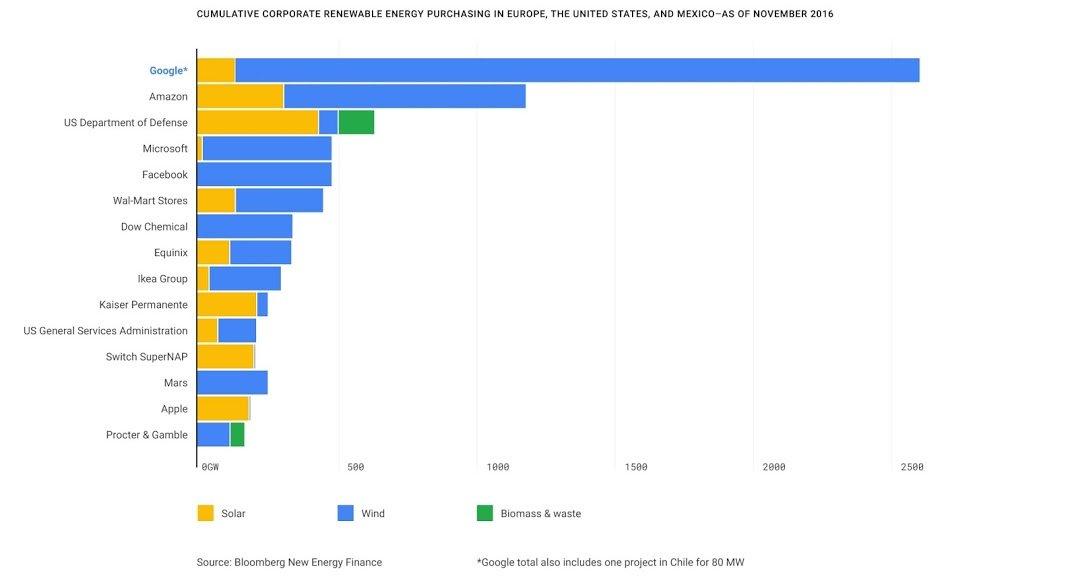
The company’s corporate mission is “to organize the world’s information and make it universally accessible and useful.”. And, of course, that’s in line with the work they do. But they genuinely care about driving universal access and utility across platforms. And much of what they do demonstrates that. For eg., Google is the largest corporate renewable energy purchaser on the planet. They also run a dedicated program which provides grants to various social impact missions such as the Equal Justice Initiative, Goodwill Industries International, and Pratham Books: StoryWeaver platform.

unnamed

#2. Fabindia

If you’re familiar with the stunning works that Fabindia displays and sells, you would know that the brand resonates an urban ethnic vibe. But their true Purpose flows beautifully across the way they source and create their lines. A huge portion of their products is sourced from villages across the country where they work closely with local artisans, providing various inputs including design, quality control, access to finance and raw materials. Talk about how they are an alternative to the mass-produced while creating sustainable livelihoods in the rural sector.

about_banner

#3. LEGO

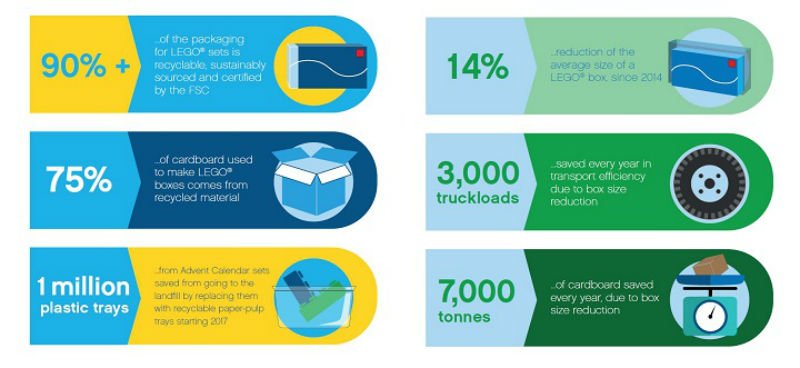
Being a children’s product brand, LEO takes its responsibility to be an inspiration seriously. At their heart is the ability to “build”. And they’re doing a fantastic job of it. The company was recently called one of the top examples of social responsibility by Reputation Institute and ranked second for Reputation Institute’s RepTrak 100—which lists the most highly-regarded companies in the world. What put them on the map for being a conscious brand was when they agreed to end their partnership with Shell, who wanted to drill the Arctic for oil. They have also made partnerships with the World Wildlife Fund and have vowed to reduce their carbon footprint. They are also striving towards a 100% renewable energy usage by 2030.

00023Packaging

#4. Levi’s Strauss

A big contributor to water waste is denim companies. Denim production used to be a very water-intensive process, which gave jeans a bad rep for being environmentally unsustainable. Jeans are and have always been, an “everyman” product. A product associated with good, honest toil -and those that do it. Levi’s revolutionized the industry by changing the way they produce and manufacture. Today Levi Strauss claims that their way of designing and manufacturing has saved more than 1 billion liters of water since its inception in 2011. The company has also worked to fight stigma and support people living with HIV/AIDS, facilitate clothing recycling with Goodwill, and decrease their contribution to climate change. Truly a product for all!

levi-strauss-2013-community-day

#5. Apple

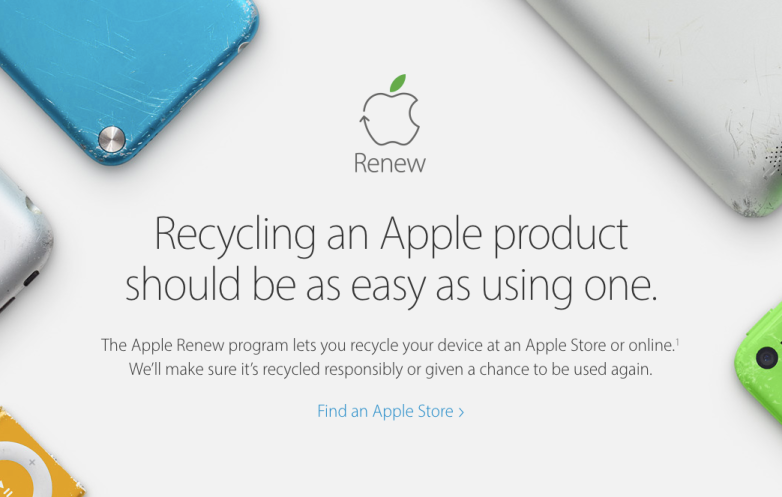
Did you know that you can recycle your old Apple devices? The Apple Renew program encourages this, and 99% of the paper in the packaging used is recycled and sustainable. Clearly, their stated aim to make lean, smart devices is complemented by their efforts to make environmentally lean products as well. In 2015, Apple closed a $1 billion deal with First Solar, the largest developer of solar farms in the US. With this technology, Apple powers all of its stores, offices, and data centers, including their HQ, with the help of solar energy, making that the largest solar procurement deal for a non-utility company in history.

apple-renew

#6. Tata

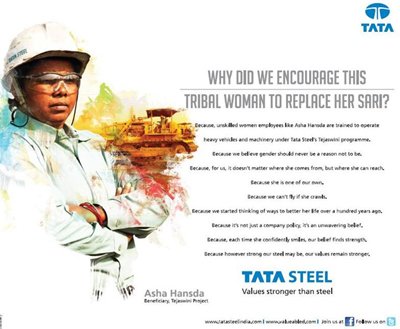
A homegrown company that has stayed rooted to its humble beginnings and has earned (and held) the trust of the consumers as a result. Apart from all else that they do, Tata has aligned themselves with various meaningful causes such as health, education, employability, environment, community, and development, and so on. All these are grassroots issues felt all over rural India that Tata has always taken to heart. When they announced a generation ago that their Steel company “Also made steel”, they sent a powerful message about the importance they attached to their desire to deliver meaningful value to the community and the nation. It’s fitting that a company that started out as a family business and is now worth billions gives back to the impoverished of the country. And it’s entirely in character.

PressRelease_vsts_ade91a704b

One common thread to the names mentioned here is that they resonate with the conscious consumer not because of clever ads and witty tag lines (there are those too) but because the authenticity of their intentions is never in doubt. Consciousness is essential to who they are, to their Purpose. That makes for a solid foundation for their relationship with the conscious consumer. That’s an enduring relationship. One that the brand and the consumer are conscious of.


Write to us on info@lokusdesign.com.


4 Most Common Brand Purpose Errors
  • June 17 2019|
  • 0 comments |
  • Category : Blog

Screen Shot 2018-04-10 at 8.20.21 PM

Let’s say a company spent a lot on getting their name and brand established- they create a name, a logo, a tagline that makes a great promise the company intends to fulfil. They wove the brand name into their company culture to internally reflect their core values.

They wrangle over the color scheme, picking some and discarding others. They launch the brand with a flurry of advertisements across print and digital. Soon, everything is working.

Time to relax, right?

We don’t think so. The best kind of branding is an ongoing effort that never stops. You affirm and reaffirm your brand with everything you say, show, or do.

Where It All Begins- Brand Purpose

What is the ‘why’ behind your business?

As companies try to differentiate their brand in overcrowded industries, the purpose-driven brand stands out. For sure, it attracts eyeballs but more than that it earns customer loyalty based on a strong foundation of shared values.

While your products, services, and marketing campaigns are critical to your brand, your purpose is literally your definition. It’s what your audience associates with you, invariably.

A brand’s purpose is the ‘why’ behind its existence. The purpose is the reason why customers share emotions and connection with the brand. Your brand purpose, when reflected in your messaging, can inspire loyalty, drive your customers to relate to you, stick with you, and wave your flag.

A brand’s purpose cannot be its mission, vision, or even its values. To craft a compelling and motivating brand purpose, dwell over your:

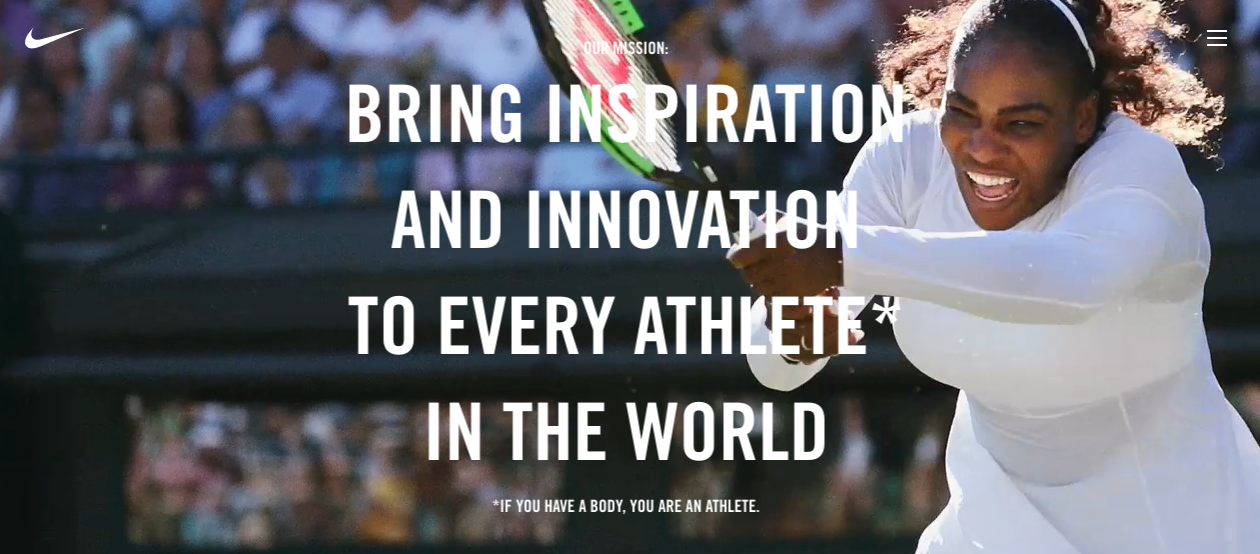
  • Ideology – Gain a complete view of your ideology. What are the things you stand for and against? What are the things you will consistently voice opinions for? A strong brand purpose doesn’t refresh every couple of years. Consider Nike, the company with the purpose to get you out of adversity, on your feet, and ready to face the world. Consistently, time and again, Nike has reaffirmed its brand purpose- it stands for bringing inspiration and innovation to every athlete in the world.

Screen Shot 2019-06-17 at 10.27.09 AM


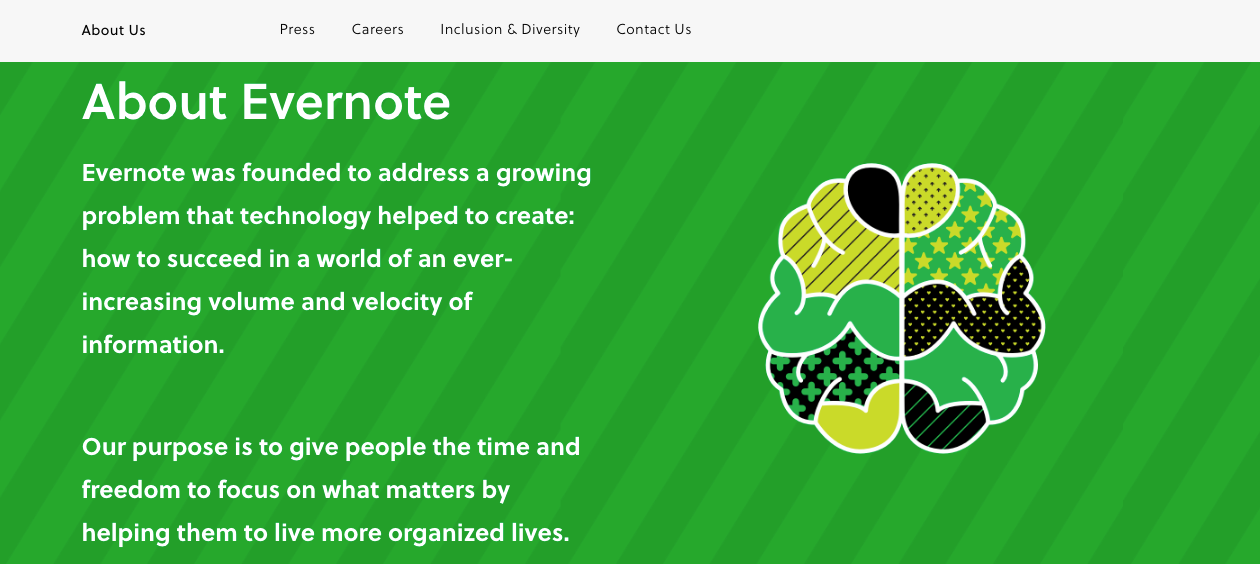
  • Context – The things that matter to you as an organization will also matter to your audience. With that in mind, aim to become a brand with a purpose that defines your cultural and competitive context. The resonance with your audience is based on the issues that matter the most to your customers as they relate to the Purpose. Evernote can be defined as a company with apps and cloud-based software solutions for note-keeping. But, they created a contextual brand purpose- to give people the time and freedom to focus on what matters by helping them to live more organized lives. Evernote’s logo is an elephant with a bend in its ear- which signifies that the animal that we know never forgets, is listening.

Screen Shot 2019-06-17 at 10.24.39 AM


  • Real Value – A purpose-driven brand gets noticed and followed because it solves real problems for its audience. Dove doesn’t deliver beauty products around the world- they aim to make “normal” women feel special and extraordinary- they want to defy stereotypical standards of beauty. Range Rover doesn’t sell cars; they feed and attract people who love adventures. These brands have a real value they want to keep on delivering. That is their purpose.

Cm197UrUcAAlIVU


Brand purpose makes your brand relevant and necessary to your customers. How well a brand solves a need, creates loyalty, affinity, and connection with its customers separates the winners from the losers.

The Body Shop is another brand that lives its purpose. The brand occupies a meaningful place among its customers and catapults its growth.

Too many brands fear polarizing customers by consistently putting out their purpose. By doing so, they neglect their origins and struggle to evolve their ‘why’ as they grow.

Common Brand Purpose Errors Companies Make

Are you guilty of any of these?

  1. Polluting Purpose with Business Interest – Take the Volkswagon emissions scandal. The company deceived regulators on emissions from diesel cars for a short-term gain. It sold and promoted vehicles as ‘clean alternatives”. Soon, what started as a sordid story of Volkswagen fitting cars with a defeat device snowballed into a global scandal that made its loyal customers lose trust in the brand. VW’s focus on clean vehicles was driven more by their business interests rather than a belief in doing what’s inherently right and justified. You need an authentic purpose- one that your brand would die defending.
  1. Keeping Purpose Stuck on the Wall – Your brand purpose might hold a prominent spot in your organization’s four walls, framed in a decent, sophisticated manner. But, if it’s never active in strategies, tactics, in conversations, and discussions, it might as well not even exist. Your brand purpose needs to be alive in daily work and decisions. Keep conversations alive about ‘why’ you are doing what you are.
  1. Promoting a Purpose Not Already Present – Brands often mistakenly take their brand purpose as another marketing campaign. They view purpose as a means of making more money, gaining more traction, and converting more customers. If your brand purpose is not embedded in all that you do, it is not effective. To truly leverage a brand purpose, augment a value that already lies at the core of your brand, instead of promoting something you don’t align with. If your marketing team creates a purpose out of line with your brand’s reality, cynicism will set in among employees and reflect in what you present to your customers. Live your purpose, as they say.
  1. Death by causes – In the rush to target the conscious customer, brands today align themselves with the cause of the day. They support charities. Their PR teams work overtime to associate them with social commentary and movements. Of course, this delivers value to the cause. But does it for the brand? Not unless the cause itself rings true with the Purpose of the brand. Otherwise, the charity is just another marketing campaign. And its impact will last only until the next cause celebre comes along.

In a nutshell, any disconnect between your brand purpose and your day-to-day actions can breed distrust in customers and do you more harm than good. Therefore, creating a brand purpose that resonates with your organization is critical to its success. Steer clear of these common errors and manifest your purpose the best way you can.


Looking to define a clear Purpose for your brand? Write to us on info@lokusdesign.com


What B2B companies should focus on in their branding efforts
  • June 03 2019|
  • 0 comments |
  • Category : Blog


Screen Shot 2018-04-10 at 8.12.36 PM

In today’s age of globalization and a free market, the competition has become cutthroat for B2B companies as well. Incentives from the government, innovations in technology, and opportunity have given rise to numerous B2B companies who compete with each other on every point.

To stand out in this cluttered space, you will need a defined B2B-specific, branding strategy. Here’s how you can get started.

Focus on brand stories

The fastest-growing B2B businesses focus heavily on brand stories. If you look closely, you’ll see they are all propelled by a brand story that supports their business strategy. These brands, like Salesforce and XPO Logistics, have defined their business around the problems they solve and the benefits they provide to their customers, rather than the products and services they offer.

With B2C, we project a lifestyle associated with a product, with B2B, you must paint a picture wherein you showcase your customers achieving the goals they set out to, thanks to your offerings. Tell the story of how you helped customer xyz make an impact on their customers and offer a glimpse of what is possible for others just like xyz!

Speak about value

Focus your marketing efforts on problem-solving, because that’s essentially the value which will be added to the lives of your customers. Let them know what they have to gain from supporting your establishment. Showcase this via case studies, testimonials, and transformation stories.

Remember that the B2B customer is rarely a single person. Usually, the target customer includes a complex amalgam of different stakeholders. Show how you can add value to each of them. How you can make their specific job easier and how you can make them win at what they do.

Focus on experience

There’s no better teacher than experience, and the same applies to your marketing efforts. Instead of telling your customers what you can do for them, show them. Your branding strategy should focus on product demos, testimonials and anything that can help in experiencing the product or service provided.

It’s important to remember who you are talking to. This should reflect in what you say as well. In this context, the communication from the brand should be centered around what the target customer wants to know rather than what you want to say. Anticipate and answer their questions to strike the right note.

Focus on presentation

You may have the best content in the world, but it won’t matter if it isn’t presented properly. Make sure that your content is attractive, consumable, and easy to digest. Experiment with different formats to find what works best for you. From blogs to videos and webinars, create content which will strengthen your branding efforts.

Add an overriding thread of humanizing the brand

A classic mistake that B2B marketers make is to be boring. A common way to do this is to follow a robotic communication style. It’s important to remember that even though the customer of a B2B firm may be a business, the decision makers are human beings so it is important to focus on human values. Often these human values are larger than the products the B2B brand makes. An authentic communication of these values is always memorable and meaningful. This is why brands like Tata Steel are still remembered for “also making steel.”

So even though you need to be more focused on professional values, it helps to talk about the people behind the business. This will also aid in your talent acquisition strategy. After all, selling your brand to prospective employees is also an important sale to make.

Focus on consistency – a common voice across the brand

Consistency is key, especially when it comes to protecting your brand voice. At the philosophical level, this means staying true to who you are and what you fundamentally represent. If innovation is at your core, then make sure that comes out in all that you do and all that you say. If you are about great execution, then that should form the backbone of your communication strategy to be visible. This is not to deny the possibility of evolution. But for that evolution to be authentic it must be organic. For instance, Google earlier used to say, “Don’t be evil”. With time, that evolved to, “Do the right thing”, which essentially means the same thing.

At the practical level, ensure that all of the company marketing materials are uniform. The best way to do this is to place all of them, from business cards to name holders, on a conference table. Examine them carefully and look for inconsistencies such as a difference in font or inconsistency in brand colours.

In conclusion, let’s look at the biggest players in the B2B business such as IBM and Cisco. Despite being multi-billion-dollar companies with huge workforces, they still make work hard to stay constantly in the eye-line of the consumer. They are very careful with their brand communications and are usually miles ahead in the recruiting wars. It’s this emphasis on B2B branding that could become the difference between such a colossal success or simply being an also-ran.


Looking to develop a strong B2B branding strategy? Write to us on info@lokusdesign.com


« First‹ Prev2345678Next ›Last »
© 2018 Lokus Design Pvt. Ltd. All Rights Reserved.