• Home
  • About
  • Transformation Stories
  • Contact Us
  • Blog
    • Blog
    • Perspectives
  • Home
  • About
  • Transformation Stories
  • Contact Us
  • Blog
    • Blog
    • Perspectives
8 branding failures in the digital world for marketers to learn from
  • March 26 2019|
  • 0 comments |
  • Category : Blog

The past decade has witnessed a paradigm shift from analog to digital. Every industry has witnessed and accepted this change of medium and has reaped the benefits of greater brand awareness and customer engagement.

The digital medium does provide a scope to experiment with marketing & promotions. Multimedia options have paved the way for innovative concepts to connect with the target audience. And that audience is growing. Ernst and Young report that India has the second highest per capita consumption of online videos in the world -higher than the US and China.

However, there have been times when the marketers lost their way in the digital chaos. The danger of the digital medium is that every consumer is also a broadcaster. This means that even the slightest mistake or open-to-interpretation campaign can blow up spectacularly. Here are eight examples of such failures that invited a backlash:

Surf Excel/ HUL:Image result for surf excel holi ad

The recent Holi advert of Surf Excel invited wrath from people on social media for being divisive. The advert showed kids playing Holi and one kid helping her Muslim friend escaping the Holi colour to reach the mosque for evening prayers. This is a great example of the potential of the message getting mangled in the digital medium. Although the intention of the marketers wasn’t to draw lines but what went wrong for HUL here was the communal tinge. Unless this is core to their brand, and religion is core to very few brands, marketers have always been advised to steer clear of this subject -and that advice is even more sage in the digital age.

H&M:

Related image

Race is another evergreen hot-button and the digital world is no different. The fashion apparels giant released a poster for its new collection of sweatshirts in January 2018 where an African-American child wore the sweatshirt that read ‘Coolest monkey in the jungle’ as a white kid looked at him with an expression of befuddlement. This would have been just another ad if the shirts had been reversed but as posted it became a poster-child for racially insensitive fashion brands.

Milwaukee Bucks:

Screen Shot 2019-03-26 at 6.36.28 PM


In January 2018 in mid-season when the Bucks fired their head coach of four years – Jason Kidd, the official announcement made on Twitter got them a lot of negative attention. The team tweeted it from their official handle on the day the club was celebrating its 50th birthday. Folks visiting their profile was welcomed with balloons. These were mistaken for celebrations for firing Jason Kidd. This was seen as mean-spirited and in poor taste.

Domino’s Pizza:

Image result for dominos logo tattoo offer russia

In September 2018, a Russian Domino’s franchise rolled out an offer called Domino’s Forever on its Instagram page. Under this offer, the franchise promised to give 100 free pizzas a year for 100 years to the customers who would get the Domino’s logo tattooed. Their Instagram notifications went berserk with hundreds of people getting the tattoo. To curtail the damage, they started adding restrictions like the size and extending the offer to only 350 people. They had planned to run this promotion for months but the response made them take it down within a week. The lesson -the internet is home to way too many crazy people so brand marketers looking to up the ante will almost always not be able to raise it high enough.

Lenskart:

Image result for lenskart shake it off nepal

Digital media drives topicality and recency. This means cashing on the latest trends and discussions but Lenskart crossed a line with their promotional SMS soon after a devastating earthquake had hit Nepal and northern parts of India causing many deaths. Their message inviting people to “shake it off like this earthquake” was a knee-jerk reaction that was poorly considered and poorly received.

Ford India/ JWT India:

Related image

Ford India’s ad agency – JWT India got fired in the wake of this controversial ad that received negative attention from people not only in India but worldwide. The idea was to showcase the big boot space. But the approach used was to show gagged and tied up women in the boot of a car driven by former Italian premier Silvio Berlusconi, himself in the middle of a scandal at the time. The brand and agency received flak for being insensitive, ill-tempered, and plain dumb.

Kurl-On/ Ogilvy India:

Related image

Ogilvy India’s ‘Bounce Back’ campaign for Kurl-On mattress invited people’s wrath. The brand and agency tried to cash on the popularity of figures like Mahatma Gandhi, Steve Jobs, and Malala Yousafzai after she received the Nobel Prize. The message was intended to reflect the ability of these icons to “bounce back” from personal adversity but was widely viewed as trivializing their struggles. The backlash was such that the agency had to withdraw from Kyoorius Advertising and Digital Awards that year.

Volkswagen Beetle:

Image result for beetle dowry india

The target audience for this ad were the HNIs but little did the agency and the brand think about the message being conveyed here. By suggesting that the bug was received as a wedding gift the ad invited flak for promoting dowry – a social evil still rearing its ugly head in India.

Digital and social media has taken over the lives of consumers. These channels have become great means to establish a connect with the target audience. But the open, transparent, and two-way nature of these media are a double-edged sword. The task for the brand marketers looking to exploit these channels is to stay true to what the brand actually represents, to be authentic, and to not get swept away by meme-worthy daily trends. This must become the foundation of the brand’s communication on digital channels. That’s the way to stay safe and communicate well!


Write to us on info@lokusdesign.com.


Brand Strategy Inside- Out
  • March 23 2019|
  • 0 comments |
  • Category : Blog

Screen Shot 2018-04-25 at 7.48.50 PM

Branding is a lot more than just a cool logo or catchy tagline. Building a brand is a process; a process that starts by identifying your core and defining yourself. For it is the culture that attracts customers, and customers that direct the nature of your communications. This will result in establishing long-term relationships with your customers. That, in turn, will lead to more word-of-mouth referrals, a steady increase in sales, and advocacy for your products and services.

With purpose-driven brands enjoying higher levels of success at attracting customers, retaining talent, and enjoying profits, it’s increasingly important to define those critical elements that can bring meaning to your brand. Here’s how you should go about defining a few key elements of your brand strategy:

  1. Start by identifying your core

Every brand exists for a reason. McDonald’s exists so it can be their “customers’ favourite place and way to eat and drink”. Why does your brand exist? Which inherent, intrinsic, authentic, and inspiring strengths are fundamental to your brand? What is that one central idea your brand represents? Answers to all these questions will emerge from introspection – when all the internal stakeholders get into a structured discussion. Understand the shared values and positive valence that your brand possesses, and identify core elements such as authenticity and credibility that define your brand.

  1. Move on to establish a mission statement

Before you can build a brand that your customers trust, you need to craft a clear expression of what your company is most passionate about, what value it provides. For Coca Cola, the mission is “to refresh the world in mind, body, and spirit”. Have you thought about your mission? Your brand’s mission statement is a critical element of communicating your brand purpose and basically defines your reason for existence. It lays the foundation of every other aspect of your brand building strategies. Everything from your logo to your slogan, your brand voice, message, and personality should reflect that.

  1. Identify key qualities and benefits of your brand

Your products, and services, and the benefits you offer belong solely to you. So, delve deep and nail down what you offer. Perhaps something that no one else is offering. For Apple, innovation is what drives the company. It is through innovation that Apple has been able to strike a chord with customers and create a niche. Focus on the qualities and benefits that make you and the value that you deliver unique. This gives your target audience a reason to choose your brand from the melee of brands in the market. Note that the key qualities are not just a laundry list of features of your product or services. They are about the value you provide to customers, the values that help them overcome a challenge or improve their lives.

  1. Form your brand voice

The personality and emotion infused into your voice depend entirely on your company mission, audience, and industry. Your brand’s voice is how you communicate with your customers, and how they respond to you. While defining your brand voice, make sure to choose one that makes sense and aligns with your Purpose. Nike’s brand voice, for instance, is inspirational – pushy even. But it motivates you to improve yourself. You’ll see that if you find and use the correct brand voice, you have the strongest chance of communicating meaningfully with your consumers. Your community of customers, followers, and readers expect a certain brand voice and brand personality when they consume your content; so, make sure you are recognised that way on multiple channels.

  1. Build your brand message

When building your brand purpose, you need to tell customers exactly who you are. Use the brand voice as a foundation, and delicately build your brand message that associates your brand, its purpose, and the audience. Make sure to go beyond your logo and tagline, and define aspects such as who you are, what you do, and what value you offer to your customers. A brand message is your first opportunity to communicate with your audience; so, choose a language and tone that is understood immediately while striking a direct emotional connection with your consumers. Reveal not just what your product can do, but why you do it, and how it is important to your customer. 

  1. And integrate your purpose into every aspect of your business

Defining your brand purpose should not stop at forming your brand voice or building your brand message. It should be visible and reflected in everything your employees and customers can see, read, and hear. As Jeff Bezos says, “brand is what people say about you when you’re not in the room”. So, whether your customer walks into your office, sees an ad, interacts with your call center executive, or reads a news item about some corporate activity, every tangible aspect of your business should reflect your brand purpose. Mind the nuances -use a clear style guide to create consistency with visuals; incorporate your voice, message, and personality into all your communications.

Stay true to your brand purpose

Defining your brand purpose is one of the most significant things you can do for your brand. When authentic and real, your customers will develop a deeper level of trust for your brand. This is the basis for an enduring relationship beyond trends and competitive pressures.

The important element is to develop the consistency that reinforces your brand’s core. Make sure to integrate that into every aspect of customer experience: from your retail store to your website, social media posts to one-to-one interactions. Once you have defined your brand’s purpose, make it the basis for everything you do. Stay true to your brand purpose and focus on consistency to make long-term brand building an automatic extension of what you do every day.


Looking for help to define your Brand Strategy? Write to us at info@lokusdesign.com


What brands can do when things go dramatically wrong
  • March 23 2019|
  • 0 comments |
  • Category : Blog

Screen Shot 2019-03-23 at 6.05.50 PM

From airlines getting into trouble due to racist comments to carbonated beverage giants trivializing real issues, there is sometimes a fine line between creativity and disaster. Finding this fine line can be a challenge, and many brands have fallen flat as a result. But it’s not just the branding and messaging that can go wrong, you can also ruffle feathers with terrible customer service. United Airlines received a lot of bad press for forcibly shoving an elderly passenger from his seat to make room for an employee who was basically freeloading. Then there are the corporate scandals that can plague the company and every major brand associated with it. ICICI Bank’s CEO gets investigated for some wrong-doing and the brand takes a bit. A single government lab in a province somewhere finds lead in your flagship instant noodles and every state proceeds to ban the product for a while. Some of these brands recover from the hit and some don’t.

The point being, tarnishing your brand image is actually easier than you think, in this blog, we will explore damage control. Here’s what to do, and what not to do.

#1: Do tell your side of the story pragmatically, without blowing your own trumpet

Unfortunately, we live in a strange world where people will sometimes undermine their competition or former employer to rise up in the ranks or for a quick moment of fame. It’s not uncommon to hear of brands being slandered even though they have done nothing wrong. Sometimes brands may suffer a bad rep due to slander or disgruntled ex-employees, customers and sometimes even fake news published by competitors. If this is the case, the brand should simply state their side of the story in the most practical way possible, without getting defensive. Customers are smart and they do not like to be pushed to a conclusion, they like to come to their own judgment. If you give people the freedom to hear your side without making yourself sound like a victim or someone who is holier than thou, they will identify the straightforwardness and you may win back their trust. If you go too far with self-praise and being defensive, your customers may think you are overcompensating because you have something to hide. The key here is the relationship you have with your audience. If this is built on a solid foundation of shared values then they are more likely to listen to you and believe your version. As we have said many times -that kind of a relationship can be built only if the actions of your brand, before and after the crisis, are transparently based on your Purpose.

#2: Keep a keen eye on your media channels

If the brand is in the news for all the wrong reasons, it’s important to monitor the brand on all digital channels. People will have their own opinions and perspectives which they will share all over social media. This may snowball and do even more damage. Word of mouth has always been a great marketing tool, and social media is making amplifying the voice of the audience. Brands are always under the social scanner, even more so when they are infamous. So if a brand is in the news for the wrong reasons, then social media channels should be scanned carefully for early signs of unrest. This is a customer service kind of task/ The way the responses are handled are also very important. One must not seem too robotic or too unapologetic, this could derail your efforts to present your side of the story.

#3: Have a plan in place

If the brand is international or has a pan-country presence, it’s best to make an official statement. Whether this is a press release or a statement online is up to the brand, but avoiding the situation or waiting for it to blow over is usually a terrible idea. The sooner the brand takes ownership and makes amends, the faster it can start the task of bouncing back. There’s a lot to learn from the infamous worm infestation disaster suffered by Cadbury Dairy Milk in October 2003. After a dramatic drop in sales and a lot of negative press, the brand was shaken, but they regrouped. They came up with a comprehensive plan. They changed their packaging to make it more visibly robust, they employed voices that the people could trust to showcase their intent to change. Slowly they managed to build back the credibility and trustworthiness of the brand. Although Cadbury did not indulge in playing the blame-game, they issued an apology along with a statement which said that the infestation happened in a storage facility, and not in the manufacturing process. The brand spent the next 6 months restoring the confidence in their patrons and retailers. Two months later, Cadbury debuted a new packaging and invested around 15 crores on machinery, and although the metallic poly-flow was more expensive by 15%, there was no price hike in the bars itself. The double wrapping protection helped restored the faith of patrons and retailers and the brand bounced back.

#4: When the damage is done

There are times when the wound is far too deep, and the only possible way out is to change your identity and assume new messaging, positioning, and branding. A rebranding is the worst case solution. If a brand has a good product or service, and a bit of good fortune on their side, they could just bounce back. There was a time when most mothers would have avoided Maggi Instant Noodles like the plague. When the noodles were banned in June 2015, this spelled disaster for Nestle. The allegations were serious, and people were starting to doubt the much-loved product. The company recalled 38,000 tonnes of Maggi noodles and destroyed them. But after the ban was relaxed, the brand climbed back up to the lead with 60% of the market share in 2017. So how did this brand manage to convince people to consume their noodles? Through sophisticated branding. They knew their target group was, bachelors, students, and people who just don’t have the time or resources to put too much thought into the food they were consuming to satisfy an instant hunger. They leveraged their tagline “Taste bhi, health bhi”. The convenience factor was central to everything the brand was communicating about its value. Another powerful tool was leveraging the emotional connect to the food. The sheer convenience meant this food was often associated with memories such as college, hostel life, trekking through the Himalayas and noticing a tea stall which sold steaming hot Maggie noodles, the campaign “Meri Maggi — 2-minute mein Khushiyan” drove home just that message. The brand dug deep into what it stood for to the audience that mattered -and loudly said all the things that made them what they were. The message hit home.

#5: Never feed the fire

United Airline’s response to the customer service incident cited earlier also offers some instructional value. According to a report by Marketing Week, United Airlines CEO, Oscar Muñoz shared an email with his employees which was leaked on the internet. The email stated that Dr. Dao was being “disruptive and belligerent” and he also went on to praise employees for following “established procedures”. At this point, it’s worth mentioning that Dr. Dao lost two teeth and suffered a broken nose thanks to flight attendants forcibly removing him from his seat on an overbooked flight. This, predictably, blew up in the brand’s face. In a startling reflection of that, the brand’s social sentiment went from 91% positive a few days before the incident to 69% negative on the day of the incident with over 547 million views being garnered by #flight3411.

#6: Reach out to long-time loyalists

This is like putting the final dressing on a wound to accelerate the healing. When the time is right, you can reach out to brand advocates and ambassadors to issue a transparent statement to show their support and solidarity. Brands should do this only in cases of slander or misinformation. No celebrity in their right mind would choose to speak on behalf of a brand that is clearly in the wrong. However, if the brand has been a victim of a malicious campaign or slander, the long-time supporters will step up because of their relationship. A great example of this would be the posters of Amitabh Bachan candidly snacking on a bar of Cadbury’s Dairy Milk with the caption, “Don’t worry, he happy”, plastered all over the country. This is, of course, not restricted to celebrity advocates. We have spoken of the strong relationships that get formed between brands that walk their Purpose talk, and the consumer who resonates with those values. Those consumers also become defenders and advocates of the brand. They give the brand a second chance. They talk about the brand to their community. In effect, they become mini-influencers.

In conclusion, we would like to add -take ownership, don’t get defensive. Imagine you’re at a party, you hastily reach out to pick up a glass of wine, but you knock it down instead, staining the carpet and a few dinner guests. Would you immediately apologize and take initiative to clean up the mess? Or would you simply stand up, put your hands across your chest and blame the glass or the placement of the wine glass or the general vibe of the party. If you choose the latter, chances are you won’t be invited to any dinner parties after that. It’s the same with brands. It’s up to you to take ownership, offer a solution and reposition yourself if required. Over time you will recover, as long as you are true to your Purpose. Always keep it real, and your brand should make a full recovery!


Write to us at info@lokusdesign.com


6 Brands Millennials Can’t Help But Love!
  • March 23 2019|
  • 0 comments |
  • Category : Blog

Image: Shutterstock

Millennials are a much sought-after demographic with several brands. But not all brands can strike a chord with them. Millennials are known for adopting the latest technologies and rejecting traditional modes of advertising. Brands also eye the demographic because of their purchasing power. It is speculated that they are “expected to accrue more wealth by the year 2020 where they are speculated to spend $1.4 trillion.” 

While it is true that this segment of the population is difficult to “market” to, brands that have a clear purpose have been able to hit the bull’s eye. Purpose is important to Millennials in every sphere. For eg., the PwC Workforce of the Future survey revealed that 88% of Millennials would even prefer to work for organizations with “values reflecting their own”. This reflects in their expectations from brands too. A Havas Group survey showed that 75% of consumers worldwide expected the brands they chose “to contribute to their well-being and way of life”.

So, it’s clear that Brand Purpose is important. But so are other things. Let’s look at some brands that Millennials have fallen in love with and seek inspiration.

Starbucks:


Image result for starbucks logo

Popular wisdom has it that Millennials have short attention spans. Engaging them is, therefore, important. To achieve this, brands need to put their best foot forward and provide them a great customer experience. Tons of similar products and services in every niche makes this difficult, but not impossible. A case in point is coffee-chain Starbucks. The brand is known for bringing forth trendy innovations, purpose-led messaging, and special days to woo customers. It was in the news over selling Cat’s Paw mugs, that created a furor of sorts and led to numerous users sharing their own stories. That’s what we call engagement done right and that too, without trying too hard! Talking about 60 percent of Millennials staying loyal to brands they purchase, Starbucks has it all it seems as this generation is also buying the stocks of the company.


Chipotle:

Image result for chipotle logo

Transparency is one more trait that Millennials love, especially when they compare brands. Authenticity is a huge draw. Chipotle is one of the best examples here. The brand focuses on farm-fresh ingredients and often creates an interactive experience for its customers. It also ran a series of campaigns to showcase its sustainable side. The message rang true and touched the heartstrings of the demographic.


Nike:

download

Nike is one of the most preferred apparel brands for Millennials and, perhaps in connected news, was the best performing stock in the Dow, in 2018. This was due to the brand’s authentic image. Much has been written about how the brand stands for pushing the everyday limits of ordinary people -making everyone a sports person. Millennials perceive the brand to be innovative, trustworthy, encouraging diversity and absolutely aligned with its purpose. The brand’s popularity soared further as a direct result of the recent Colin Kaepernick and “Crazier” campaigns that hit home.


Fastrack:

Image result for fastrack logo

Fastrack started on the right note with youngsters when it was first launched as a youth-targeted brand a few years ago. The brand is all about candor, being unapologetic about living life on one’s own terms and bold. Today, it has come a long way with its out-of-the-box campaign “Shut the Fake Up” that every Indian Millennial can relate to. The key takeaway? Clearly communicate your brand’s values to Millennials. This will surely help them relate to what you represent.


TOMS:

Image result for toms logo shoes

81% of Millennials expect companies to make a public commitment to charitable causes. This is a bit of a slippery slope because brands that become socially responsible just to woo Millennials run the risk of being seen as fake and opportunistic. A classic example of doing this right is TOMS. The shoe company is rooted in goodwill, with the mission and product deeply ingrained in the idea of helping others. In a way, it is conveying the message to the wearer that once you purchase the product, you are doing good too. This is the reason why the brand’s One for One campaign has tasted unprecedented success. It encourages the target audience to share their stories, making them participate in talking about the cause rather than egging them to buy the product. This inventive way to root for a cause strikes a chord with the Millennial demographic.


Coca-Cola:

Image result for coca cola logo

How about that -a 100-year old brand that Millennials love! But it’s true. And it’s due to some very smart moves by this Classic brand. Millennials love customizations or personalized experiences. Coca-Cola knew this and came up with their “Share a Coke” campaign that had the buyers’ names written on the bottles. It chose 250 popular names among teens and Millennials on 20-ounce bottles. As a result of this, the sales of the soft-drink giant went up by 2%. This is a brand that “sold” the warmth of human connection, even as they sold a cold beverage. And the Millennials, as we have established, loved it.


The Wrap

Brands are evolving with time. They are offering more immersive experiences, both online and offline. This is one of the ways to communicate their purpose to their preferred target audience, the Millennials. Remember, when you market to this unique segment, the connection with them has to be on a deeper level. You need to stick to your core values. The brand’s Purpose matters. It matters more than the reports, data, and analytics.

What is your take on Millennials? How will your brand serve the generation? Are there any Millennial success stories you want to tell? Write to us on info@lokusdesign.com.


8 of the Best Brand Purpose Articulations
  • March 23 2019|
  • 0 comments |
  • Category : Blog

Screen Shot 2018-04-10 at 8.20.11 PM

There’s a reason why you would rather have no coffee instead of a brand other than what you’re used to. There is a reason why you would rather pay a higher price for a cotton t-shirt or almost triple the price for a bamboo toothbrush. It’s not because you love parting with your money, or because it’s what you’ve been told to do. It’s because you believe in what the brand represents. The ideals, principles, and ethics of the brand are aligned with yours, and in this cluttered space, that alignment is everything.

We came across a great definition of this on Medium. It said, a brand purpose as ‘a higher order reason for a brand to exist than just making a profit. In Simon Sinek’s famous illustration, The Golden Circle, he explores the what, how, and why of a brand, going beyond numbers and sales and statistics. It’s easy to come up with products for the market, consumer goods which are crafted from the best materials, but what really is the purpose of your brand? If you are a chocolate maker, what sets you apart from the thousands around the world? What sets you apart from the crowd? It’s why you do what you do? How do you make a difference to the community? How do you take responsibility for your load on the environment, and help reduce it?

A good brand purpose statement will answer all of these questions in a concise manner while capturing the essence of your brand. Here are a few examples to better illustrate this.

#1. Eco femme – Join the cloth pad revolution!

logo-dark

It’s unfortunate, but in India, 71% of adolescent girls are unaware of menstruation until they get their first period. As a result, they face severe health issues, drop out of school early and spend 5-7 days a month feeling terrible and uncomfortable with their bodies. Activists strive to make sanitary napkins more accessible and affordable to rural India, so when eco femme was born, rural and urban women alike rejoiced! Eco-femme has a brand statement which empowers, enables, and inspires, just like their product. The reusable cloth pads are very economical, extremely eco-friendly, and empowering as well. For women in rural India, eco femme is an excellent, hygienic alternative to shelling out so much money every month for disposable pads which end up hurting the environment – tying up with their mission statement. Eco femme not only empowers women of rural India but also inspires urban Indian women who are privileged enough to afford tampons to rethink their choices. Thousands of urban women ditch their tampons to stand in solidarity with their sisters from low-income families and the environment, and join the pad revolution!


#2. Nike – Bringing inspiration and innovation to every athlete in the world

download

And isn’t that what Nike is all about? Even their tagline, Just Do It, literally asks you to get out there and just go for it, invaluable advice and motivation for an athlete, or an aspiring athlete. If you have ever bought a pair of running shoes from Nike, you would have experienced the skill, science, and craftsmanship that goes into their products. So the innovation is clear. For inspiration, Nike is known for empowering women and providing them with a much-needed platform. Sports has always been a testosterone-fueled space, and the #nikewomen campaign is proof of this mission statement. Breaking stereotypes of women stuffing themselves in dresses and challenging them to just do it has played a large role in driving up the market share of Nike.


#3. EY – Building a better working world

EY logo 2013

Ernst & Young are in the business of providing multinational professional services such as advice, tax, and transaction services to companies. Their mission statement is transparent and simple, and may just be one of the reasons why they are regarded as one of the “Big Four” accounting firms in the world. How do they build a better working world? By providing insights and context to guide over 260,000 people every day. They build processes, give advice, help drive initiatives across corporates worldwide. And through all of that -they aim to make corporates and their people more effective, more productive -in a word, better!


#4. Google – To organize the world’s information and make it universally accessible and useful

googlelogo_color_120x44dp

Google has become a household name, worldwide, and is arguably one of the handiest things to happen to humanity in this century. Google’s mission statement is in synch with the services they provide, which is so important. With great power comes great responsibility, and Google understands that. If you’re going to provide billions of people with all kinds of information every second of the day, one must ensure that said information is pure, pragmatic, useful, and genuine. In an era of fake news, leaders like Google must take ownership, and their mission statement is a great first step!


#5. MasterCard – A world beyond cash

social

Simple, straightforward and genuine, these are the makings of a great mission statement. Like Google, MasterCard is a household name and is a service used by hundreds of millions of people worldwide. MasterCard embodies their statement by being at the cutting edge of technology to make payments safe, simple & smart. Since we are always innovating for ways to make our lives easier, MasterCard are pioneers in payments – making payments is unavoidable in our society, and so envisioning a world without cash is certainly ambitious, but not impossible!


#6. Tesla – To accelerate the world’s transition to sustainable energy

793px-Tesla_Motors.svg

The first thing that people think about when they hear Tesla is sustainable energy, all thanks to their brand mission and enterprising CEO. Unlike most major corporations, Tesla has a CEO who goes around saying things like, “My motivation for all my companies has been to be involved in something that I thought would have a significant impact on the world”, you will certainly build trust and love among your patrons. Elon Musk has a large role to play when it comes to validating their mission statement, and rightly so. He is the poster boy for corporations, and, despite all the smoke and mirrors, if there were more leaders than him, we are confident that the world may well be a better place.


#7. TED – Spread ideas

TED_three_letter_logo.svg

hank god for Ted Talks, 20-minute lunch breaks are made so much more productive thanks to them! The world needs more great ideas, and we live in a world where there is content to consume, available at our fingertips. However, the quality of this content is dismal, it’s so terrible. Ted provides you with an alternative to slapstick sitcoms, ‘reality’ TV, and ridiculous talk shows. So instead of watching that same boring sitcom while eating your lunch, you can choose to get a quick introduction to metaphysics or renewable energy – ideas worth spreading. This is all thanks to Ted.


#8. Bare Necessities – Making Zero Waste the Norm, Not the Exception

download

The best in the business, Bare Necessities puts the fun into sustainable living, with products such as “Peppermint Party”, a zero-waste 4 ingredient toothpaste made from essential oils and baking soda. But it’s not the aesthetic packaging or health-friendly ingredients that coax patrons to shell out over 400 rupees for a jar of toothpaste, it’s what they stand for. For those who aren’t aware of the dire state of plastic pollution, roughly 1.5 billion toothpaste tubes are discarded every year. Which means 8 million tons of plastic end up in the ocean, a number that doesn’t sit well with a lot of people. The millennial generation is more conscious of the way they consume and are always on the hunt for brands like Bare Necessities. Their mission statement instantly attracts the audience they are targeting, because zero-waste is the need of the hour unless we want to leave our grandkids toxic oceans with dead reefs.


What do these brands have in common? You know what the famous ones like Google and TED do, but new and upcoming brands such as Bare Necessities would be lost in the crowd if they didn’t have a visible Purpose. Eco Femme could be anything, but you know what they stand for thanks to their Purpose statement.

Customers are sick of being promised the best of everything. Brands are being forced to stop “selling”. Consumers want brands that are more conscious, they want to support ideas and missions that they believe in, and they want to feel better about themselves after a trip to the mall. To connect at a more fundamental level with these consumers, brands must have a clear purpose which can resonate with the audiences they wish to market to. The message for brands is clear, be clear and transparent about who you are. While your messaging and communication may be tweaked to better communicate with the audience, your brand’s Purpose is much more permanent, because it is what makes your brand. It’s why you exist -and that cannot change.


Looking for help in articulating the Purpose of your brand? Write to us on info@lokusdesign.com


8 Brand Communication Trends to watch out for in 2019
  • February 18 2019|
  • 0 comments |
  • Category : Blog

Screen Shot 2019-02-18 at 7.07.28 PMThe brand landscape is evolving at a pace like never before, making it extremely tough for existing brands to survive, and new brands to flourish. While a herd of new brands is being launched, and a massive amount of money is being put into brand evolution, many are falling by the wayside. In an age of uncertainty, the power of communication is unimaginable; the right communication can do wonders for your business, while the wrong kind will force you to shut shop.

As you consider your brand communication, here are some questions you need to ask yourself: Does it reflect who you really are and what you are driven to do? Does it help differentiate your brand? Does it align with customer perceptions of your brand? Does it enable growth? Does it recognize your brand’s unique value to your customers? Is it consistent in all areas of your business? Is it easy to understand? Is it positioned for long-term success? Is it believable and credible?

Top trends 2019

As brands become more and more centered and authentic and step away from fake product promises, it’s time for a reboot. For brands driving continued efforts towards creating a niche for themselves, staying abreast of the latest brand communication trends is critical not just to create a good brand, but also improve the customer lifetime value of your brand. Here are 8 brand communication trends to watch out for in 2019:

  1. Alignment with brand purpose: Considering the rate at which new brands are mushrooming, aligning your brand communication with your brand purpose must continue to be one of the top trends in 2019. Only brands that can stake a claim to a strong, appealing position that is clearly aligned with their brand purpose will succeed. For example, for a food brand that is conscious and goodness-focused, this might mean emphasizing fair-trade practices, local sourcing, eco-conscious manufacturing processes, and support for organic farmers. That’s exactly what McDonald’s does across the world. It sources products locally and positions its brand with its purpose in mind. McDonald’s is their customers’ favorite place and way to eat and drink. It’s their “Happy Place”.


  1. Incorporating global consumer voice: As globalization takes over the world, the days of purely local brand communication are gone. Your customer base is already global, so you have to aim to scale your presence at a global level. You will take the global customer’s perspective and viewpoints under consideration to ensure your brand’s functional and emotional differentiators appeal to customers across the globe. 2019 will see global communication as a hot trend to ensure the global consumer’s voice is taken into account. After all, your brand should be able to clearly communicate what the brand stands for to your customers – irrespective of their age, race, or geographic location.
  1. Being transparent with consumers: In today’s digital age, brands can no longer have secrets. Today’s highly aware customers demand honesty from their favorite brands – they want to know what your products are made of, where, how and who makes them, what processes you use, and how much they cost. Hence, being transparent with your consumers is what will make a real difference in 2019. Instead of hiding behind a façade, make transparency a core part of your brand communication. Show your customers who you are, and the things you care about. Fashion brand H&M’s label Arket showcases exceptionally high levels of transparency; it lists the exact location and factory where each of its products is manufactured.
  1. Ensuring consistent messaging: Lack of clarity and inconsistent messaging are two of the biggest mistakes brands make when it comes to communication. With customers having so many brands to choose from, what will truly confuse your audience is inconsistent messaging across your customer experience, packaging, website, and advertisements. Consistency is key in the messaging that reflects the core value propositions of your brand across all channels. Since brands that are consistent with their messaging experience an average revenue increase of 23%, 2019 will see the branding world strike a balance between the functional and emotional differentiators of the brand so that the communication does not appear too vague or confusing. If you want to strongly influence the decision-making process, you will need to maintain an equilibrium between the two aspects so that your customers can clearly understand the features of your brand, as well as build an emotional bond with it.
  1. Being mobile ready: Considering the impact that the mobile has on the lives of consumers, a majority of brands today are leveraging the smartphone in one way or another. However, since there is nothing more frustrating than clicking on a link that is unresponsive or poorly designed, 2019 will see brands with mobile-friendly websites truly win the perception battle. No matter what industry you belong to, there is reason to position yourself as a technologically-savvy, modern brand. That means that you need to be mindful of the user experience you offer on mobile devices. Make sure to keep a close eye on the latest mobile trends, and harness the opportunity at the right time — or risk being left behind. With Google favoring mobile-friendly websites in SEO with their ‘mobile-first-indexing’ feature, now is the best time to work on the mobile version of your brands and drive better user connects.
  1. Including playful interactions: In today’s highly competitive age, your brand communication should be such that your customers can weave stories and build experiences around it. This is extremely important to strengthen the emotional bond they have with your brand. Changing customer behaviors and growing expectations require you to drive efforts to ensure that customers can interact with your brand in new and innovative ways. So, whether you’re leveraging AR and VR or making use of modern apps, 2019 will require brands to offer rich and engaging content to customers for better interaction, satisfaction, and conversion. Global hotel chain Marriott makes the right use of VR to drive exceptional customer demand. By placing VR headsets in their hotel rooms, customers can experience traveling to different locations across the world. From their hotel room in London, for instance, they could virtually travel to Thailand, or explore Hawaii.
  1. Ensuring ethics with technology: The misuse of data and the growing number of privacy breaches have left consumers outraged. With a lot of business decisions today being taken by AI algorithms, the negative cloud over unethical and unfair use of technology is compelling brands to be extra careful about the risk of breaching written and unwritten codes of conduct. As technology becomes more sophisticated, brands will need to become more transparent and consciously avoid taking advantage of consumers. In 2019, a rising number of consumers will demand ethical AI and algorithms that deliver fair and unbiased decisions. Brands will need to become more accountable and transparent about the technology they are using and use it in the right way to influence customer behavior. This will have to reflect in their communication as well so they clearly articulate what they are setting out to do.
  1. Getting brand influencers on board: Celebrity endorsements no longer work; if you really want to appeal to the masses, you need to get brand influencers on board; customers who go out of the way to support your brand. Know of an influential persona online? Get in touch with them, and convert them into the spokesperson, and use it as a unique and interesting way to position your brand. The key communication dynamic here is that the influencer should neatly fit into who you are as a brand. In 2019, the focus will not just be on partnering with influencers but finding the right fit with the best influencer who warrants a long-lasting relationship. Sports brand Adidas often resorts to influencer marketing on social media platforms to get visible to the right audience. To promote their Neo brand, Adidas roped in Instagram influencer Iga Wysocka and managed to generate substantial demand for their product line.


Get ahead

The branding landscape is forever evolving, and in 2019, it is going to fundamentally be about accurately communicating your brand to reflect the essence of your brand. Identify what makes your brand unique and align your communication with your brand’s purpose. Be transparent about your practices with customers, and incorporate global consumer voice to drive better conversion rates. Include playful interactions in all your communication, and ensure consistent messaging. Make sure to use a mobile-first strategy, get brand influencers on board, and ensure ethical use of technology to appeal to the masses. A strong brand continues to be a priority for all brands striving for success. Staying on top of these communication-related trends will enable you to stay ahead in 2019.


Looking to design clutter breaking communication for your brand? Write to us at info@lokusdesign.com


What customer engagement is and 6 reasons why it matters
  • February 18 2019|
  • 0 comments |
  • Category : Blog

Screen Shot 2019-02-18 at 6.26.05 PM

These words by Jobs hold true for companies, individuals, multi-national corporations, and most of all, Brands. Customer engagement is now of utmost importance to every one of them. One may ask why?

While there are many reasons why Customer Engagement is important, the essential rationale is simple – a highly engaged customer invests emotional bandwidth in building a relationship with the brand. Such enduring relationships create loyal customers who tend to buy and promote the brand, the product, and services.

We have written previously about what brands can do to foster such engagement. This post is for those who are still grappling with the “why?” Here are 7 other reasons why it is important, and necessary, for companies to emphasize user engagement.

  1. Lower barrier to engage with other brands and products

It is especially important in today’s digital era where consumers have easy access to so many trends and products through their mobile phones. People no longer have to head to a store to buy things. Everything can be done through their device. In fact, 70% of customers say that because of technology, they now find it easier to take their business to other brands. Buyers are also highly influenced by social media and the next feel-good ad or folksy meme from a competing brand. A brand has to work hard to engage and retain clients in this competitive digital era.

  1. Increases revenue

Good customer engagement leads to improved revenue and profits to a company. It’s an acknowledged fact of business that finding a new customer is at least 5 times as expensive as nurturing an existing customer. Also, brands with strong multi-channel strategies for customer engagement retain 89% of their customers, as compared with only 33% customer retention by companies that don’t have such strategies.

This is why companies today have to place more emphasis on creating decisive engagement strategies including attractive endpoints like websites, apps, software, and physical experiences.

  1. Makes quicker sales

Proper and effective user engagement helps shorten the sales cycle. Providing the prospective buyer with all the information needed to make an informed decision in one place like the user engagement portal helps speed up the sales cycle.

The alternative is the customer having to spend time navigating through your store or website, looking for information. An extended buyer journey carries with it the risk of your message getting diluted. In fact, McKinsey says that when customers are satisfied with the journey they traverse while buying, customer satisfaction can go up by 20%, revenue by 15%, and the cost of customer service, reduced by 20%.

  1. Better customer advocacy

Todays consumers prefer doing business with brands that treat them well and keep them engaged. In fact, 70% of buying experiences are based on the customer’s feeling about how they are being treated. They will not hesitate to put in a good word about those brands and are staunch brand evangelists. They will recommend you whenever their friends complain about your brand. The happy customers whom you connect with the most will go all out and talk about your brand in forums and on their social media feeds.

  1. Repeat business

Engaged customers are also ready to spend a bit more at their favourite brands than disengaged clients. In fact, consumers buy 3 times as frequently from brands when they are convinced that the brand is doing well on offering them a personalised experience. It’s not only the brands and retail establishments that benefit from great user engagement. Even banks benefit through engaged clients who provide more annual revenue to their bank, have a higher deposit balance there and use more banking products. The same is true for restaurants and hotels.

  1. Improved customer service

This is a two-way street. Several studies show that consumers are ready to end relationships with a brand only because of poor customer service. But it is also true that the best way to improve your customer service is through improved user engagement in general. It’s curious but true that 1 in 3 consumers would recommend a brand if it provided them with an immediate response to a query -even if the response was ineffective! The key takeaway is that better customer service will lead to greater customer engagement. But great customer engagement also buys your brand a bit of leeway, that little bit of patience, when the customer is facing an issue.

So, as you can see, customer engagement is vital for any brand. The customer is always king, and if you can keep your customers engaged with you, they will definitely want to come back to you for more.

You will notice that the seeds you sow while building your relationship with a consumer grow and flower as your customers spread the good word about you, give you repeat business or generate more unique visitors and buyers for you. That’s the power of an engaged customer.


Want to drive customer engagement for your brand? Write to us on info@lokusdesign.com


Why brand loyalty matters…
  • February 04 2019|
  • 0 comments |
  • Category : Blog

Screen Shot 2018-04-10 at 7.56.33 PM

In a world driven by instant gratification and countless choices, companies have to be hyper-focused on their Purpose to create brand loyalty. However, with the consumer becoming savvier than ever before and enjoying a plethora of options, driving brand loyalty in today’s marketplace is not easy. Customers today are spoilt for choice – with competing brands, numerous marketing channels, and the rise of influencer-driven recommendations. It is hard enough to capture the attention of the customer, so creating an advocate of a brand loyalist is another ball game altogether.

What is brand loyalty?

Brand loyalty is a pattern of consumer behavior where consumers become committed to brands and make repeat purchases from the same brands over time. Loyal customers consistently purchase products from their preferred brands, regardless of convenience or price.

Brand loyalty could be simplistically defined as creating customers for a lifetime. However, loyalty is a little more than that. Brand loyalty is about cementing an enduring relationship with an audience that will remain loyal to your brand over another. It is about creating a set of devoted consumers who are mentally and emotionally aligned with the brand. Because brand loyalty is based on an emotional involvement between a brand and the customer, loyalists don’t purchase a substitute brand because their brand is not available. They will travel to multiple stores to get that brand and even forgo a purchase if the brand is not available.

Why does brand loyalty matter?

To answer this question let’s first take a look at some statistics.

  • Customer spend grows alongside trust. Loyal customers spend 67% more than new ones
  • Lowering customer churn rate by 5% could lead to over a 100% spike in profitability
  • Loyal customers are worth up to 10x as much as their first purchase
  • The average repeat customer spends 67% more in their 31st to 36th months of their relationship with a business than in months 0-6
  • 43% of customers spend more money on brands they’re loyal to

As they say, “In God we trust. All others must bring data”. The data here clearly shows the immense impact brand loyalty has on profitability and brand success. Along with driving sales, here’s a look at some more compelling reasons why brand loyalty matters.

Loyalty drives the capability to withstand macro and micro-environmental factors

Why do some brands rise from the ashes like a phoenix and why do some perish? The answer to this lies in brand loyalty. Do you remember the Toyota car recall of 2010? The iconic brand in 2010 had to recall around 2.3 million vehicles in the US to fix potentially faulty accelerator pedals. This action came on top of an ongoing recall of another 4.2 million vehicles over pedal entrapment. The brand suffered $2bn (£1.26bn) in extra costs owing to this safety recall. However, Toyota improved its annual numbers to deliver an ¥80bn profit (£550m) the same year.

Brands have to consciously fight the macro and micro-environmental factors that are a constant in today’s complex and volatile market. However, if the brand has a set of loyal followers, it can bounce back from a setback and drive ahead on the road to better business.

Loyalty drives long-term business

Loyal customers will buy from you again and again and again. They will stand in snaking queues when you next model is launched. They will be will not be driven by price. They will not be influenced by ‘deals’. These loyal customers want to engage with the brand because the brand has an emotional connection with them. This emotional connection almost overrides reason because it is based on a sense of shared values -we believe the same things this brand does. This is why brands like Apple become iconic. It is loyalty that drives the Apple lover to pay a much higher sum for a smartphone. It is loyalty that prompts Apple lovers to stand in snaking queues to grab the latest iPhone.

Loyal customers become your brand ambassadors. This contributes to the brand equity and consequently also leads to recurring, long-term business.

Loyalty drives better cross-selling opportunities

As mentioned previously, brand loyalty is based on an emotional connection. The foundation of this connection is shared values and trust. Since loyal customers forge a relationship with a business, it becomes much easier for a brand to cross-sell or even upsell. This happens because the ‘convince and convert’ cycle is eliminated. The customer is already convinced and is converted too. All the brand needs to do is identify a gap and show the value in their offering.

Loyalty drives reduced marketing costs

Consumers today are influenced more by what their friends have to say and their choices more than any marketing campaign. Strong brand loyalty makes ‘word of mouth’ an effective marketing tool and a credible form of advertising. A survey from Neilsen shows that 84% of the respondents believe word-of-mouth recommendations from friends and family are the most influential in their purchase decisions. 68% of respondents trusted online consumer opinions.

Loyal customers talk positively about a brand, share positive feedback, and refer the brand to their close network. This gives a head-start to a brand when engaging with and an entirely new audience.

Gaining a competitive advantage in today’s world is tough. With brand loyalty, it can get easier to compete. There’s a lot a brand can do to grow Loyalty among its audience. But most importantly, to drive brand loyalty, brands have to be anchored by and stay true to their Purpose. The Harvard Business Review shows that 64% of customers want to have a relationship with a brand based on the brands’ sense of higher purpose, philosophy or overall mission. By being purpose-driven, you attract customers who will ally with your brand based on a set of shared values. This drives loyalty and loyalty, drives business.


Looking to drive loyalty for your brand? Reach out to us on info@lokusdesign.com.

7 Logo Design Failures Every Brand Should Learn From
  • February 04 2019|
  • 0 comments |
  • Category : Blog

Screen Shot 2018-04-10 at 8.18.32 PM

It is undeniable that a great logo is a powerful marketing tool. It not only gives a brand an easy to recognize identity but also communicates volumes about what the brand stands for, what its values are, and what it has to offer. We have written in the past about the factors brands must consider while creating truly effective and evocative logos.

The first feature of a great logo is its ability to grab a viewer’s attention almost instantaneously. The logo should be striking enough to hold the viewer’s attention. However, catching the viewer’s eye does not necessarily mean that a logo design is great. There are several other factors that come into play. A great way to learn is to look at some great brand logos and what they conveyed -and there’s much of that in one of our older posts here.

But an even better way to learn is to look at logos that didn’t work -and that’s what this post is about. Let’s take a look at 7 prominent logo failures. That could help you avoid the mistakes that these brands made.


1) Gap:

6a00d8341c51c053ef0133f4fe7e93970b-450wi

In 2010, Gap suddenly changed its logo without warning. Among other things, the suddenness that made their customers cringe. Gap’s logo had always been quite iconic- GAP written over the navy-blue square. The new logo pushed the navy-blue square in the corner and made it rather tiny. There’s more about this fiasco here. It was not long after they made this horrible mistake that they realized how much their customers connected with their logo. After an unprecedented outcry from their customers, Gap sought to make amends. They asked their fans for suggestions on how to rectify the logo. In a matter of a mere 6 days, Gap returned to their original logo design. All’s well that ends well -and never mind the tiny Gap in logo continuity.


2) Kudawara Pharmacy:

logo-fail-kudawara-pharmacy

An unintentionally infamous Japanese company by the name of Kudawara Pharmacy decided to get creative with their logo. They played around with the alphabet ‘K’ in their logo and tried to bring the people they served into their rather plain looking “name-only” logo. Their innocent attempt to innovate soon backfired when the positioning of the “people” in the design made the logo look rather raunchy. The company ran out of steam eventually, well at least they don’t function under that name or logo.


3) London Olympics:

london-2012-olympics-logo

The logo was designed at the substantial public expense of £400,000. It was intended to symbolize the dynamic Olympic spirit and its inspirational ability to reach out to people across the globe. The new emblem was created to be proactive, modern, and flexible. It was created to reflect a brand-savvy world where the youth no longer related to static logos but responded to a dynamic brand that worked with new technologies and across different traditional and modern media networks. However, it was met with skepticism and even hatred. Why was it disliked so intensely? The problem was that the logo came with too much “hyperbole, rhetoric, metaphors, and inflationist meanings.” Put simply, for an event that was inherently about showcasing the best that the country had to offer, the logo had nothing recognizably representing the UK in it all.


4) Animal Planet:

Animal_Planet_Logo

A few years ago, one of the most popular networks on TV- Animal Planet, decided to modify their logo design. From a globe with an elephant & ‘Animal Planet’, they switched to a letter-only version with a sideways ‘M.’ Not only was this hard to read but it also confused many viewers who thought the ‘M’ was an algebraic symbol. Perhaps worst of all, there was no animal in this text-only planet. Many confused and disgruntled viewers ended up on the Discovery channel. The lesson to learn here is that human beings are visual and including a specific graphic in your logo can create a strong meaning for your logo.


5) NASA:

space1

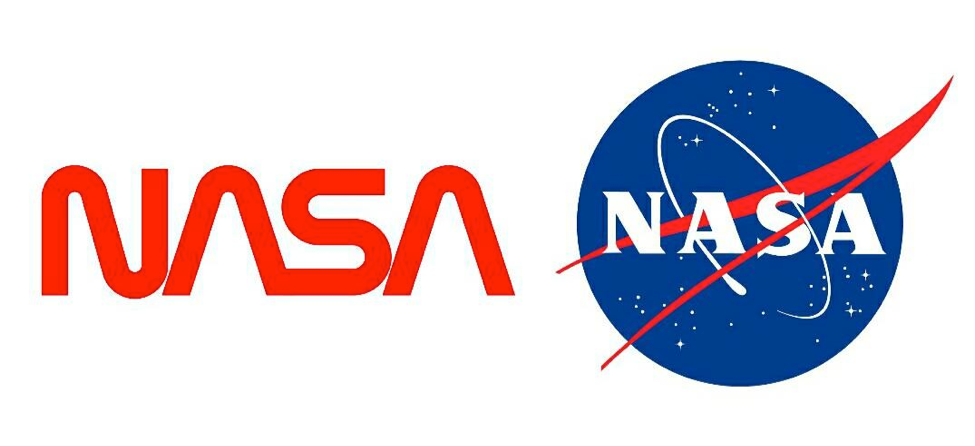
NASA decided to change their logo design from the highly appropriate design of the universe encircling NASA to a hardly legible ‘NASA’ in red font! The new logo borrowed from the extremely recognizable profile of the Space Shuttle. Despite the tremendous public recall the Shuttle enjoyed, the new logo conveyed little of the grand scale of NASA’s mission and the sheer size of their quest. However, thankfully they returned to their old logo design shortly after.


6) Kids Exchange:

Hilarious-Logo-Fails-NSFW-Kids-Exchange

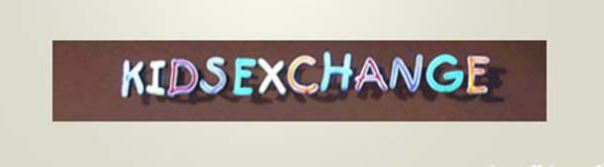
Nothing proves the importance of proper punctuation and spacing in a logo more than this one. This was the logo design of the Kid’s Exchange consignment shop in Georgia. Sometimes as a logo designer, you just have to take a step back and look at your handiwork to see all the unintended consequences of what you have wrought. Thankfully, the logo was changed before the store caught too much heat.


7) Instagram:

1_OKmEdhKUmyhaSNLrGyHxlQ

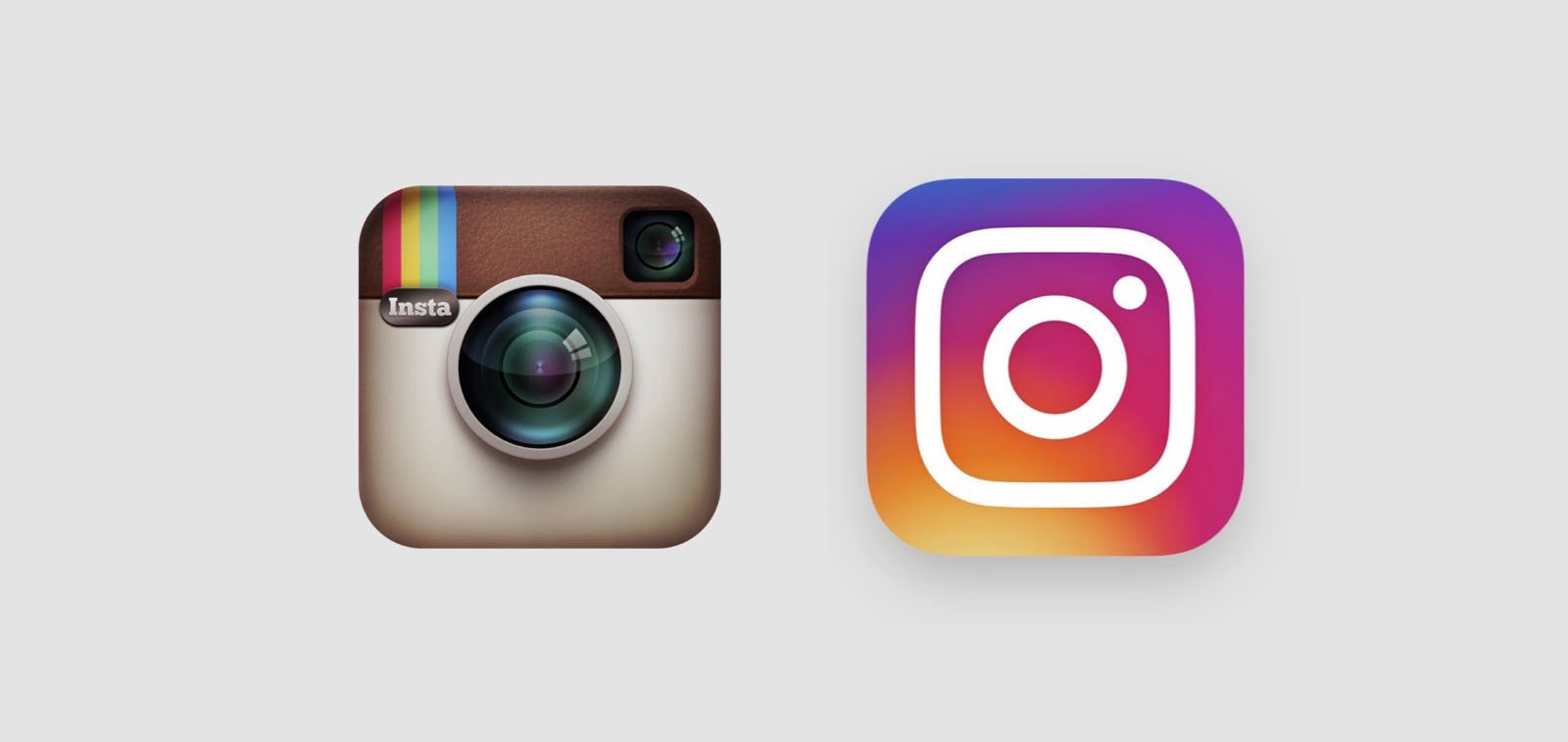
The original logo was a retro-style Instamatic camera that made everyone nostalgic for the simpler technologies of times gone by. When Instagram decided to recreate the famous logo, fans responded negatively. Many of them exclaimed that they liked the original logo better because it was easily recognizable as a camera icon and they associated it with taking photos with their loved ones. The new logo was too plain and too colour-restricted to convey the rainbow of emotions that users were trying to capture and convey through their posts. The brand stuck with the logo change though, perhaps acknowledging that their audience was overwhelmingly young and not from the “Instamatic” generation.

The key to creating a great logo design is to go inside-out. This means that first, you as a brand should understand what is it that you would like to communicate about your brand to the world. Once you have complete clarity on the ‘why’ then the ‘how’ and ‘what’ will follow. Always start from within. Your logo design should convey your Purpose in the simplest way possible. And, that’s great design.


Loooking to design a logo for your brand? Reach out to us on info@lokusdesign.com.


You Say Zo-may-to, I say Zo-mah-to
  • December 31 2018|
  • 0 comments |
  • Category : Perspectives

0


A single delivery guy in a dimly-lit street carefully opens the food packets he is (presumably) delivering and has a few bites from each before systematically sealing each and proceeding on his job. BW (Before WhatsApp), this would have been a small story. Today, there is a sharp debate ignited pitting those who blame corporate greed against those who blame human greed. But ignoring that juicy debate for a moment, how does this matter to the brand? And, should it matter to other eCommerce brands?

I believe that the brand cannot ignore this, and I think that goes back to what these eCommerce brands really stand for. The most important reason people are climbing onto the “eComm brandwagon” for the digital delivery of services (like food), is convenience. A key element they are giving away is control since the delivery is in the hands of neither the service provider (the restaurant) nor the customer. The entire model is intrinsically dependent on “Trust”. The customer trusts that the proper goods will be delivered, that the right amount of money will be collected, that their payment information on file will be safe, and that the person making the delivery will be “trustworthy” in all respects -since you will be letting him (it’s always him) into your home. The model will fall apart if they do not trust the eCommerce provider. “Trust” must be at the heart of the success of any eCommerce brand. This is pretty fundamental, I believe.

Specifically, in the case of Zomato, there’s a thin line that the brand has to toe. Zomato talks about the “joy of dining.” The brand has always striven to create a positioning of being bold without being in your face; innovative in a manner that simplifies rather than complicates; young without being immature; and witty without being boorish. Their mission is to ensure that every meal for everyone is a great experience and they have chosen to convey that messaging in an irreverent style that has sometimes strayed across the line into being offensive. When that has happened, they have responded immediately to set the tone straight. In this instance too, they will have to respond quickly, visibly, and in a manner that showcases the systemic solutions they have in place to address issues like this. But they cannot afford to be seen as petty, inconsiderate, and vindictive.

Especially in times of crisis, brands should be governed by their values and driven by a sense of purpose in delivering value to their customers. So long as there is clarity, commitment, and consistency in these matters they will generate a trust pull. And, that’s enough food for thought for all of us.


(This Perspective was originally published on November 29, 2018 by Shekhar Badve on LinkedIn)


« First‹ Prev3456789Next ›Last »
© 2018 Lokus Design Pvt. Ltd. All Rights Reserved.