• Home
  • About
  • Transformation Stories
  • Contact Us
  • Blog
    • Blog
    • Perspectives
  • Home
  • About
  • Transformation Stories
  • Contact Us
  • Blog
    • Blog
    • Perspectives
Arty Facts – A Museum Must Inspire – But How?
  • September 14 2017|
  • 0 comments |
  • Category : Blog

Picture9“Great Art is Great because it inspired you greatly. If it didn’t, no matter what the critics, the museums and the galleries say, it’s not great art for you.” Yoko Ono

The need to provide an ‘experience’ is a driving force that brands across the world are capitalizing on. Be it from selling a luxury car to something as every day as banking, it is the ‘experience quotient’ that has become a key part of every brand’s strategy. Should museums be any different? Faced with the great ‘consumerization of everything’, museums of today have to evolve from being passive spaces into places that evoke thought and inspire action. In one of our blog posts, we had written about why museums today must inspire in order to stay relevant. As we move further into the ‘experience economy’, museums have to reinvent themselves in order to provide experiences, inspire action and leave visitors with amazing memories. In this blog, we take a look at some aspects that can help museums create these inspirational experiences for their visitors.

Architecture

A museum’s architecture is inextricably linked to the experience of its exhibits and can become a powerful motivational force to inspire its visitors. Museum architecture can evolve from being just a part of cultural memory and transform itself into an expressive entity that creates a dialogue between its contents and its visitors. Incorporating new, contemporary and even theatrical elements and weaving them into the architectural fabric of the museum helps in creating a visual destination that can stay relevant in the age of cultural pluralism. Museum architecture has to explore the connection between its exhibits and its visitors within the socio-economic context without overwhelming the content. The Salvador Dali Museum in St. Petersburg, Florida with its entrance of frozen lava of blue glass is sometimes cited as an example of architecture drowning the artwork. On the other hand, the Louvre’s glass pyramid, an effort towards the modernization of the Louvre was called a folly when it was launched but soon established itself. It created a working and welcoming reception area that became the connection between the previously disjointed galleries. The glass used in the pyramid is so clear that if a visitor peers through it the perception of the colour of the existing buildings remains unaltered. This audacious addition to a historical structure evokes a sense of staying in the here and now, even while journeying through a bygone age, and, perhaps, just as importantly, it created a sense of a continuous experience.

Technology

Does technology belong in museums? In today’s world, technology is becoming quite central to creating museum experiences for the digitally connected millennial population. Technologies such as 3D imaging, haptic interfaces, touchscreens, etc. are becoming tools to make museums more engaging for its viewers. However, given that museums are places for reflection and a space to lose yourself in masterpieces, technology can also distract the user from these reflective experiences. Instead of losing oneself in the exhibit, one can easily get overwhelmed by the technology. Does technology, then, serve the “inspirational” purpose? Technology can be used to create experiences that inspire only when it does so without compromising the integrity of the museum experience. Technology elements can be used to tell a story and create meaningful and interactive experiences that increase visitor engagement and promote meaningful interaction. The use of technology thus has to be such that it ‘supports’ the entire museum experience by making the visitor feel a participant of the exhibit rather than a spectator.

Content

The content curation of a museum not only impacts its relevance but also its relatability. It is only when a piece of artistic content becomes relatable that it evokes sentiments that generate inspiration. Instead of displaying mute artistic displays, museums have to look for avenues that build immersive experiences that compel a visitor to reflect and think for themselves. Content experiences should not just be restricted to the enjoyable but extend to the uncomfortable as well. Designing content experiences that create tangible journeys in the visitor’s mind and stimulate feelings…feelings of happiness, anguish, fear, dejection, elation and the like, make the display subjects closer to reality. Making the subjects of display more real and human, help in building relatability. This will take museums from being passive spaces to places that encourage reflection previously not encountered and this will then inspire action.

Space

To open your mind, you sometimes need to close your eyes. The use of empty space in a museum can help it define itself and help the visitors shape and interpret the content of the displays. It is important to not only focus on ‘what’ to display but also ‘how’ to display it. The use of space, the fluidity, the lighting, all contribute to creating a personal connection with the visitor. However, sometimes, it also happens that the essence of the displays gets lost in the momentum of moving from one exhibit to the other. What museums need to look at is creating spaces for pause. Such intentional omission can aid the visitor find meaning in a vacuum. By creating negative spaces within the museum, the visitors get an opportunity to ponder and reflect and process information before moving from one display to the other. This break can be the starting point of an internal conversation that can compel action in the minds of the visitors.

It is true that not every object or artifact in a museum has the power to excite. The museum experience thus has to go beyond just observation and evolve to an exciting and inspirational experience…one that remains with the visitor well after leaving the physical premises of the museum.


For more on this, write to us at info@lokusdesign.com.


Your Brand Needs A Purpose, More Than A Promise
  • September 04 2017|
  • 0 comments |
  • Category : Blog

life-purposeThey used to tell a story about branding. In the old Soviet Union, TVs were all unbranded and made in various government-owned factories across the country. Consumers though took to checking out the maker’s marking on the chassis because it became apparent that the TVs coming from one specific factory were of a better quality. Albeit unwittingly, that mark of the factory had become a brand. That rudimentary brand promised a higher-quality TV. It used to be said that a brand was an assurance of a certain quality – an assurance to the consumer that each interaction with that brand would be at a specific consistent level. This was the promise the brand made to its consumers. The concept of the Brand Promise has evolved considerably since then.

Today the Business Directory defines Brand Promise as, “The benefits and experiences that marketing campaigns try to associate with a product in its current and prospective consumer’s minds.” That definition suggests some key components to focus on.

First, that this is largely about the communication that goes out to the current and prospective customers. This communication could be overt, like the brand communications over the media, or it could be more subtle and “felt” in the experiences the consumers have with the brand. Second, that the communication would be about the benefits the consumers could derive from their use of the brand. It follows that these benefits absolutely had to be real, had to be credible, and had to be authentic. It is also clear, that to be sustainable, this had to walk the talk – the promise would have to be kept each and every time the consumer encountered the brand.

This also suggests some challenges. First, consumers are getting harder to please, and are increasingly distracted. They are under constant assault from a data deluge. Under those circumstances, it is hard to zero in on and communicate a benefit to them that is sufficiently unique to be memorable. Chances are, other brands would be communicating with them along similar lines – so how do you stand out? There is also the fact to consider that the media landscape and the media consumption habits of consumers are changing rapidly. That being the case, how do you establish an enduring connect with the consumer? Then there is the challenge of being able to consistently deliver the brand’s promise each and every time. This would require a sustained and concerted effort on the part of all employees, all the time. How can these formidable challenges be addressed? This where the Purpose of the brand must come to the rescue.

The Brand Purpose is at the very heart of everything the organization itself does. It is the answer to the question “What are we here for?” This is a goal beyond just the business and the profits the business generates. The best examples of a Brand Purpose always look at how they can impact society and the world beyond themselves in a positive way. A purpose articulated in these terms can serve as a foundation for defining a corporate culture that is aligned with this long-term vision. In such a culture, all the employees can buy into a larger belief – a way to make life better for their consumers as well as for society as a whole. Peter Drucker said, “Most people need to feel that they are here for a purpose, and unless an organization can connect to this need to leave something behind that makes this a better world, or at least a different one, it won’t be successful over time.”

A clearly articulated, understood, and accepted Purpose that is intrinsically integrated into the DNA of the organization will naturally carry employees along and transform everything they do. This is the right way to engender a situation where the employees are more likely to deliver the promised brand experience every time – since they do not have to “manufacture” the experience but rather this is what they intrinsically believe in themselves.

Then there is the consumer. Simon Sinek says, “People don’t buy what you do. They buy why you do it.” We believe that this is the solution to genuinely connecting with today’s media-overloaded consumer. Helping the consumer identify with and relate to the Purpose of the brand is a much more effective way of establishing such a connection. This sense of shared values can form the basis for more authentic communications with the consumer that can be sustained over a longer period of time.

That said, the value of a Purpose is not to communicate better with customers or employees. In fact, let’s go further and say that the ability to connect with the consumer is a collateral benefit – the real reason for a brand to have a meaningful Purpose is to be the beacon that serves to motivate and energise the entire organization. This provides the genuine belief that they can do good even as the organization does well. When that happens, everything else falls into place almost effortlessly. It follows that once the Purpose is established and clearly communicated the Brand Promise also emerges quite naturally. If it is clear who you are, it should then be quite clear what you do – and that is what the brand will promise. It’s clear – the Purpose of the Brand is thus more key than its Promise!


For more on this, write to us at info@lokusdesign.com.


Museums Must Inspire to Stay Relevant
  • August 22 2017|
  • 0 comments |
  • Category : Blog

“A visit to a museum is a search for beauty, truth, and meaning in our lives” – Maria Kalman

UK’s major museums and galleries reported a fall in visitors of almost 1.5 million over the period from 2015 to 2016. The fall was even more drastic among the younger demographics. Even the Louvre in Paris saw a 20% drop in attendance over the preceding year in the same period. While a variety of factors play a role in the decline, surely this is a cause for concern? What’s going wrong?

The Digital Age encroaches

Museums have always been educational spaces and among the main providers of information and content related to a specific topic. The emergence of the digital age has taken away some of that utility though. Today, people can get highly specific information, facts, images, videos, and a host of related information in a well-ordered manner without even leaving their couch. When you’ve got the smartphone hooked on to the internet why even bother making the trip to a museum to gather information? In that context – the role of museums as a “collection of things” has been dramatically impacted. It is becoming increasingly clear that museums face a struggle to remain relevant at a time when they are being viewed as mere passive spaces.

Confronting the struggle for relevance

Across the globe, museums are looking at ways to reinvent themselves and break away from the mould that was created for them. Museums have for long been seen as portals to the past. Imposing, awe-inspiring gateways to the glorious days gone by… spaces for reflection, contemplation, and education. However, as the bridge that connects the past to the present, museums have an important role to play beyond being mere curators of curiosities.

If that is so, then how can museums evolve into spaces that not just please the eye but move the soul? How do museums curate journeys that inspire action and compel the viewer to give back more to the society…to dispel ignorance and spread the knowledge?

Can Technology solve the problem technology created?

The temptation is to turn to “Technology” to create engagement with interactive displays, better (read digital) visuals, and the latest in audio-video. But this can be a double edged sword. Technology can be and has been successfully used in museums to add continuity to context, or as an aid to tell a story to make it more relatable. However, overusing technology can also act as an impediment to curating immersive experiences. The audience could be unintentionally more impressed by the technology rather than the content of the exhibit. It, therefore, becomes essential that the museum experience leverages technology elements only as a tool, almost incidental to the core experience rather than at its centre. Ideally, the technology should be used only to allow the audience to become an active participant in the museum experience rather than just being a witness of things or a passive receiver of information.

So, what are we suggesting?

Steve Jobs had once said, “Create relevance not awareness” and museums should take this advice to heart. We believe that museums must evolve to becoming spaces of reflection that lead to action. They have to emerge as spaces that evoke myriad feelings and emotions within the visitor that remain with them even long after they have left the physical space. These feelings must inspire them to do more with the knowledge acquired in that space. More than passive spaces, they have to emerge as spaces of contemplation and of action…spaces that provoke the visitors into going out and doing some good to society, or even just to themselves.

Clearly, while the content of the displays is important it is even more important that the museums rethink their relationship with their audience. They must create journeys that are more immersive and interactive, capable of evoking a sense of realization that is unique to each visitor. It is only this focus on creating spaces that are more experiential in nature that can create a resonance with feelings that lie trapped within the souls of the audience.

A poignant example is the Auschwitz Concentration Camp tour. Though not traditionally considered a museum it does open doors to the past in a manner that stays with the visitors even after they leave the premises. The feelings of anguish, failure, dejection, anger…the feeling of being trapped and of impending doom resonate throughout these spaces. Another example would be The Empty Library in Bebelplatz in Berlin. The burning book memorial is a tragic reminder of the book bonfire held by the Nazis in 1933 where they collected books by Jewish authors from all over Germany and burnt them. The memorial, underground and almost invisible can be viewed through a glass panel on the paved road. It consists of bookshelves with a capacity to house over 20,000 books but all lie empty as a reminder of the 20,000 books that were burnt by the Nazis. These spaces create visitor journeys in a manner that the audience here does not remain just a passive spectator but a witness, to the events of history. They become capable of feeling all those emotions that the Jewish people went through during one of the most horrific times in history.

The Tool Box

Madeleine Grynsztejn, director of the Museum of Contemporary Art in Chicago, recently said: “The pendulum has swung from the museum as passive temple to the museum as active space, from a treasure box to a toolbox.” This is as clear a vision of the way forward as any that has been expressed so far. To stay relevant in the Digital Age, museums must evoke a powerful and visceral response that inspires action – become a toolbox rather than a treasure box so to say. It is only when museums are able to establish a human connection that inherently inspires the visitors that they will flourish.


For more on this, write to us at info@lokusdesign.com.



Museums – Not Relics Of The Past But Inspiration For The Future
  • July 26 2017|
  • 0 comments |
  • Category : Blog

article_5990

“Museums should be places where you raise questions, not just show stuff.”: William Thorsell

When we talk of museums we think of a large, monolithic and imposing structure where people go to look at objects that stand in mute testimony of the glories of the past. As the cultural data banks of society, museums acted as a bridge between the cultural past and the present contemporary public. As the keepers of the tales of the past, museums tell the stories of societal transformation while preserving the knowledge of cultural origins. Historical assumption compels museums to host objects that represent the historical drama of a time gone by. Being the curators of collective memory, clearly, museums have an important role to play in the social narrative. They thereby need to be reflective of not only the days gone by but also need to resonate with the mind sets of the present, and be capable of providing inspiration – today!

Museums in India were usually institutions that were established during the British Raj and presented the world narrative through the eyes of the colonial powers. But today, museums are not only pipelines to the past but are also spaces that showcase the present culture and its assumptions. Today, there has been a greater democratization of art and culture across the globe and India too, has become an active participant in that movement. The 90’s brought globalization and a change in attitudes worldwide. As our world view changed with the socio-economic and political conditioning of the society, there also came an innate desire to reconnect with the past – but challenges persisted.

The oral stories that spoke of our earliest roots were being lost fast. Documented stories were subject to invasions and amalgamations and were either completely destroyed or reinterpreted. The stories of local histories that contributed so much to the social fabric of the society lay silent. The question then became, how can we truly connect with our past to rediscover our identities when faced with such huge gaps? This is where the museums of today have to fit into this complex narrative.

While museums will almost always continue to be examples of iconic, large civil architectures, museum design today is becoming more flexible, public, and increasingly welcoming. These spaces are aimed at achieving a greater balance between active and more contemplative spaces, accommodating the public, and inspiring greater dialogue between the subject and the viewer without sacrificing the quieter, more traditional museum experience. Self-directed experiences and curated experiences, blending education with recreation, and creating contemplative spaces that provide a layered sensory experience are becoming increasingly common. These are essential ingredients to create truly inspirational museum spaces that help in promoting a deeper understanding of the displays and collections.

Designing museum spaces though has to stem from the perspective of being the bridge between the past and the present. The focus should be on showcasing the stories of the past, but in a manner that establishes their relevance today. The museum thus has to derive its essence from not only the narratives and the journeys of the past that are being showcased but also has to be reflective of the times that we, the viewers, are in. Creating the design has to become a process of analyzing, understanding and finally internalizing the mindsets of the creators of the museum and finding a defining core personality of the museum that becomes reflective of that mindset.

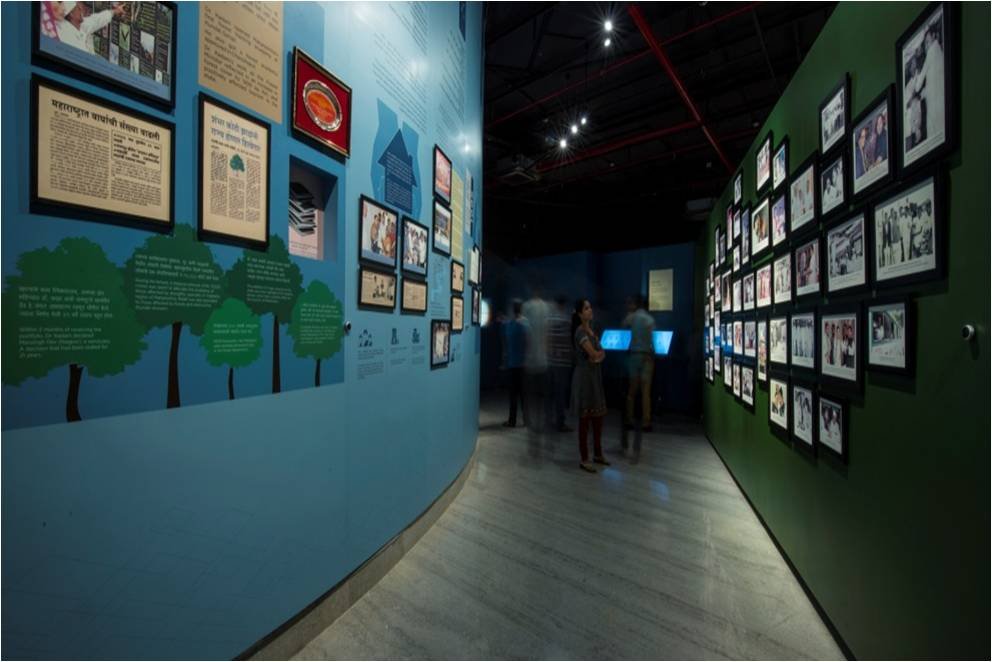
This provides the three corner stones for the design – the story of the past, the values of the creator, and the message for the present. It is when these three come together that the museum can connect with, and then inspire today’s viewer. As an example, the Gandhi Research Foundation Museum in Jalgaon, Maharashtra looks at the life and work of Mahatma Gandhi but tries to place this admittedly great man in the context of today without painting him as an unapproachable godly figure. The values on display, like eschewing greed, are specifically picked to resonate with the Jain values of the creative force behind the museum.

At Lokusdesign, we approach designing of museums as an opportunity to create experiences that inspire the visitors to do something good for themselves and the society they inhabit, driven by their inherent strengths. We strongly believe that such a bold approach is vital if museums have to stay relevant, and resonant in our age. In the words of Alfred H. Barr Jr., “The historical museum has to be very conservative and careful in its choices. The modern museum, on the other hand, has to be audacious, to take chances. It has to consider the probability that it would be wrong in a good many cases and take the consequences later.”

Museum design is not about creating larger, or more imposing spaces than the other but more about understanding, and then impacting the psychology of the viewer. This comes from aggressive decluttering of the noise that resonates around us. We have to let go of restricting thought processes and metrics that bind us down. The focus should be on creating thought spaces that help in creating a greater understanding of our collective heritage and foster curiosity, dialogue and a certain degree of self-reflection. As Renzo Piano said, “A museum is a place where one should lose one’s head.” It may be time to find ours while designing that museum!


For more on this, write to us at info@lokusdesign.com.


Competition cannot be central to your Brand Strategy!
  • July 26 2017|
  • 0 comments |
  • Category : Blog

competition-business-bidding-race-ss-1920“The problem with competition is that it takes away the requirement to set your own path, to invent your own method, to find a new way.”: Seth Godin

The Himalayan Terai may be an unusual place to start a blog about branding strategy but that’s where we must travel for inspiration. This is where we find the Musk Deer – a near mythical creature, sleek of skin and slight of frame, best known for the “Kasturi” scent emanating from a pod near it’s navel. Legend has it that the musk deer is so enamoured of the musky odour that it relentlessly roams hill and dale searching for its source, blissfully ignorant that the beauty it seeks lies within. Presumably, the tale ends poorly for the deer who either perishes on this doomed quest or gives up in disgust (do deer feel disgust?). Those in the branding, or rebranding, business may sense a certain likeness between the doomed deer and the product and brand managers they must deal with and it’s not their heady scent we are talking about. Not ringing a bell? Well, consider how many discussions you have been in recently that revolve around “We want to be just like (insert gigantic brand name).” That’s the musk deer syndrome at work right there.

Our submission to brands & brand managers is to stop looking outside and to recognize what lies within – to stop being led by the competition and instead to be driven by your own core strengths, values, and beliefs. Looking back at over a dozen years of working with brands, this is the one strategy that has always paid off handsomely. And the reasons are not far to see – there are some clear benefits to the brand.

  1. Control: Obviously, you cannot control the actions, or the reactions of others – you only have control over your own actions so shouldn’t you focus on those? Staying focused on your own strengths will allow you to create and execute a well thought out long-term plan, to be more proactive, and to try to influence the market in the way you desire. Being focused on the competition will make you reactive, uncertain, and unable to predict your own next step.
  2. Innovation: Sustained innovation rarely results from a random flash of inspiration. To take root, innovation needs time, space, and a carefully designed ecosystem that promotes it always. For innovation to flourish it must be freed from the pressure of the impending next move, and be driven instead by the big picture, and the long-term. This is only possible when you, and your innovation process align with your own objectives.   Not much chance of that happening when you are always focused on being agile enough to counter the next move of your competitor.
  3. Be Unique: You have your own circumstances, your own character, and your own history – all of which comes together to make your brand what it is. Your competitors are similarly unique in their own way too. Focusing on, and highlighting, all that has gone into making your brand what it is will allow you to carve out a unique, a differentiated, identity. It is this that will help you stand out with the consumers. Trying to be someone else will make you look confused, and a wannabe. As has been said, you have to be you ‘coz everyone else is already taken!
  4. Sustainable: In the long run being true to your own nature is the only truly sustainable option. Playing to your strengths allows you to be more natural and takes less concerted effort. This will allow you to act instinctively and lead with your heart, whether it is in creating a market or in trying to carve out a niche for yourself in one. In a nutshell, doing what comes naturally to you, your brand, and your organization is just easier to pull off.
  5. Genuine: Today’s consumer is savvy. The consumer knows there are a variety of choices out there and is willing to make the effort to find a brand that resonates with his or her specific set of values. They are also perfectly capable of looking right into the soul of the brand to seek that resonance. If your brand promise is based on a strong foundation of real beliefs and values it is much more likely to appear to be genuine and worthy of the discerning consumer’s trust.

Sri Aurobindo had said, “True knowledge is not attained by thinking. It is what you are; it is what you become.” To that, we would add that the journey to doing, or indeed being, all that you can ever be is based on the core of who you are inside. If you agree, then it’s time to stop looking at the competition – instead look deep within to build that winning brand strategy. Do that, and that musky fragrance enveloping you may well be the sweet smell of brand success.


For more on this, write to us at info@lokusdesign.com.

Where is the Love?
  • March 06 2015|
  • 0 comments |
  • Category : Blog

Identifying and understanding opportunities for innovation in the body spray segment.
Analysis and conclusions.

WHO? WHEN? WHERE? WHAT?

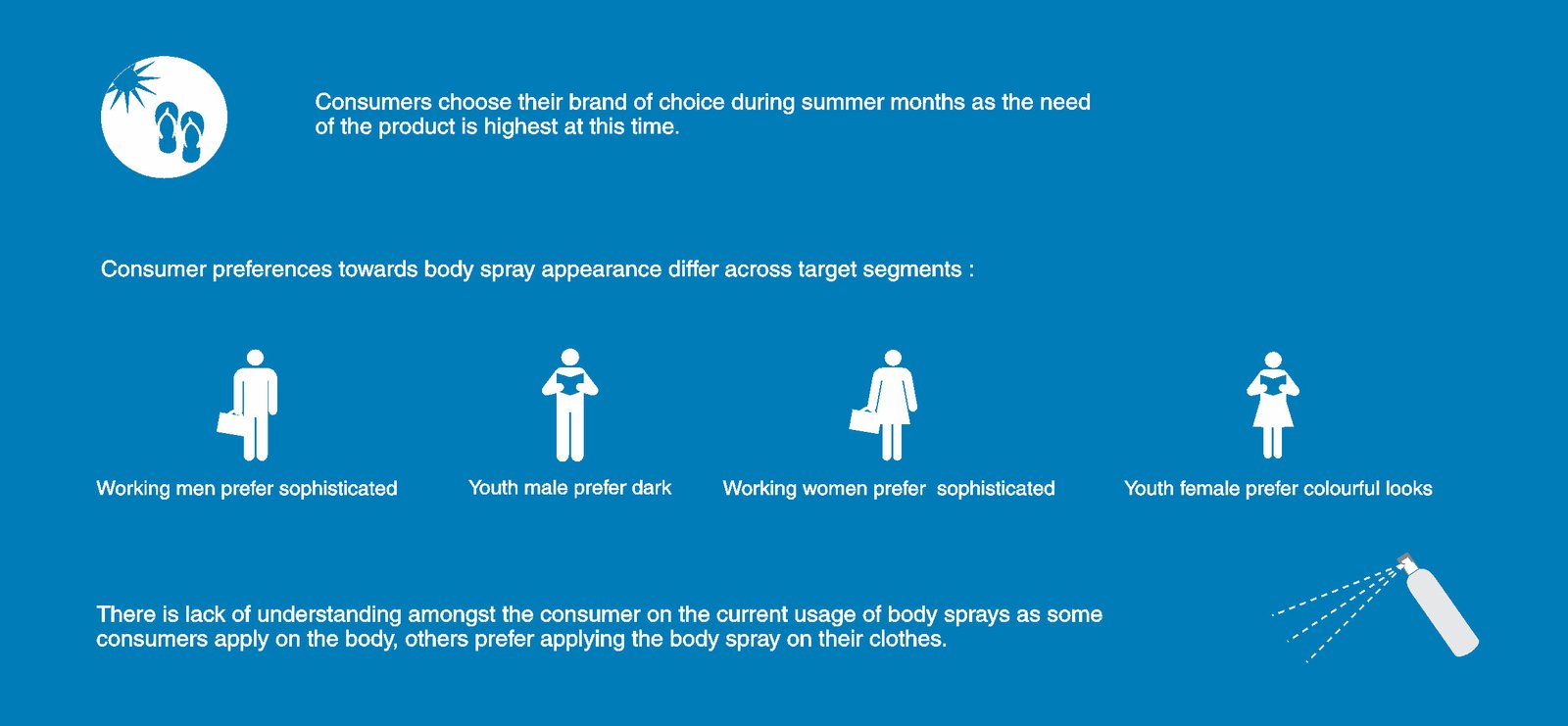
• 46% of the working professionals use body spray on torso and armpit. Minority of working professionals use spray on entire upper body with neck.
• 33% of youth uses body spray on upper body and clothes. Minority of youth uses body spray for torso. Most of the youth is unsure about usage of the body spray on  body so they have tendency to use the spray on entire upper body and clothes.

Due to high spending capacity the average spend in working professionals is higher, as working professionals are willing to pay a larger value the overall average spend in youth is lower as compared to working professionals.

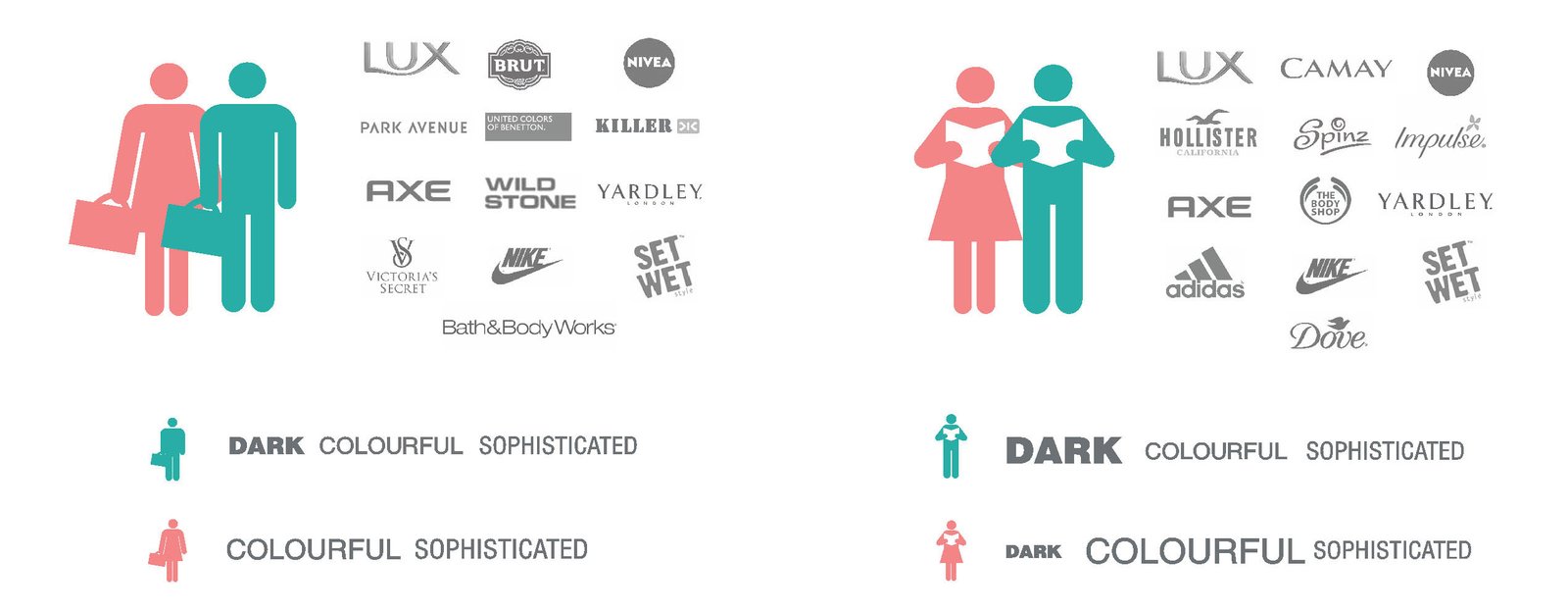
WHICH ARE THE PREFERRED BRANDS AND THE ASSOCIATED PREFERENCES?

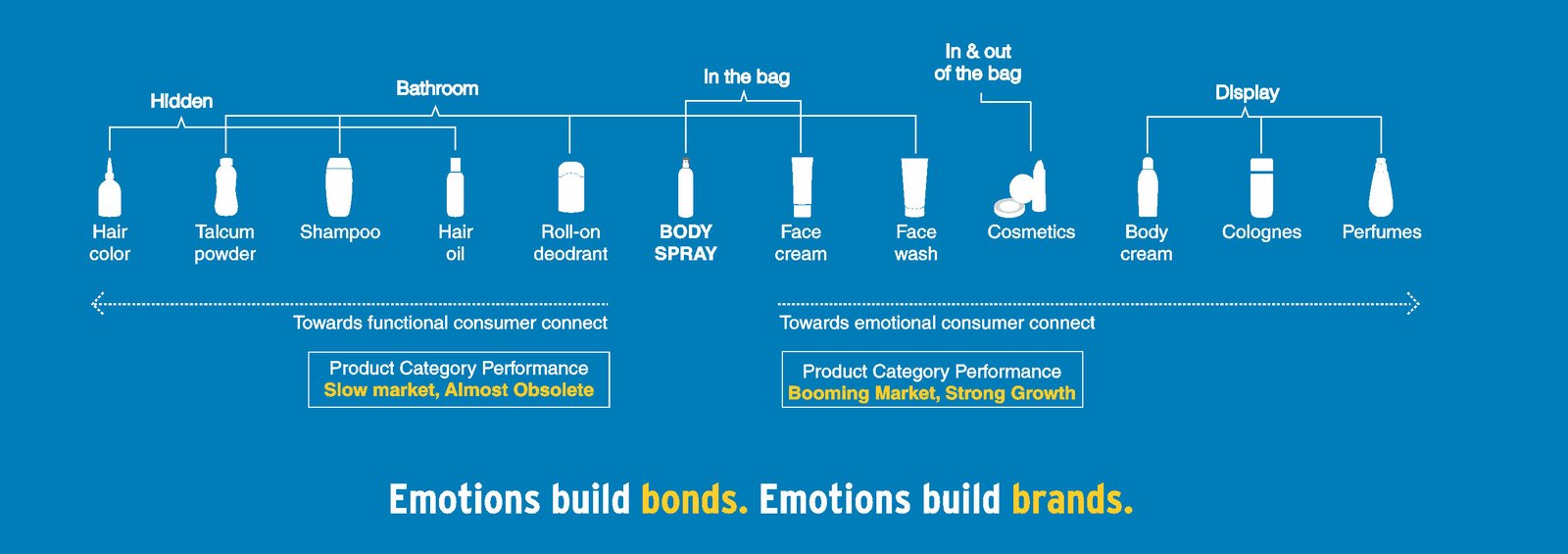
WHERE ARE THE PERSONAL CARE PRODUCTS STORED?

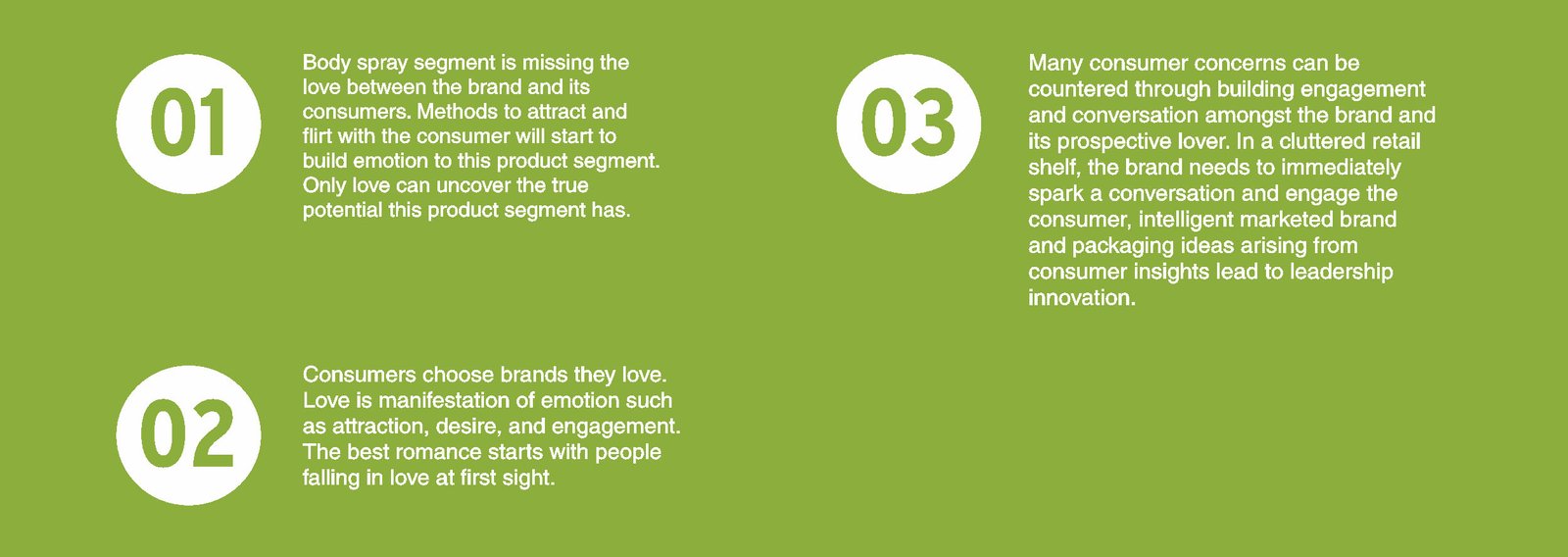
Consumers are proud of products they put on display. They romanticize, fantasize, and are intimate with these products. Body sprays have the potential to be just as sexy and aspirational as other display product categories. So lets get body sprays out of our bags and show them off!

Successful product categories with high loyalty are categories focused on building emotional consumer connect the body spray segment is sitting on the fence; lets drive it in the direction for success.

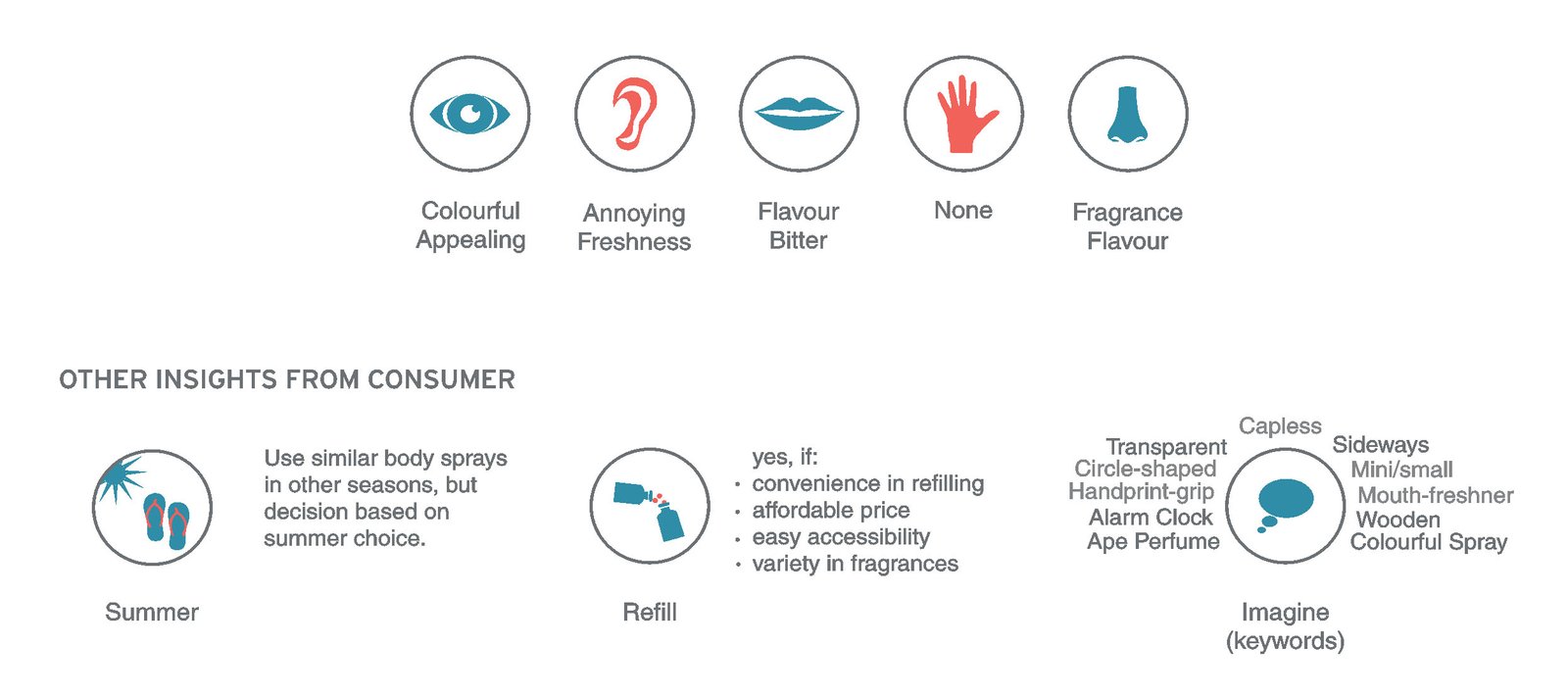
WHAT ARE THE PREFERENCES BASED ON THE FIVE SENSES AND WHAT ARE THE OTHER INSIGHTS?

Long lasting and strong fragrance is a preference.

HOW DOES A CONSUMER CHOOSE?

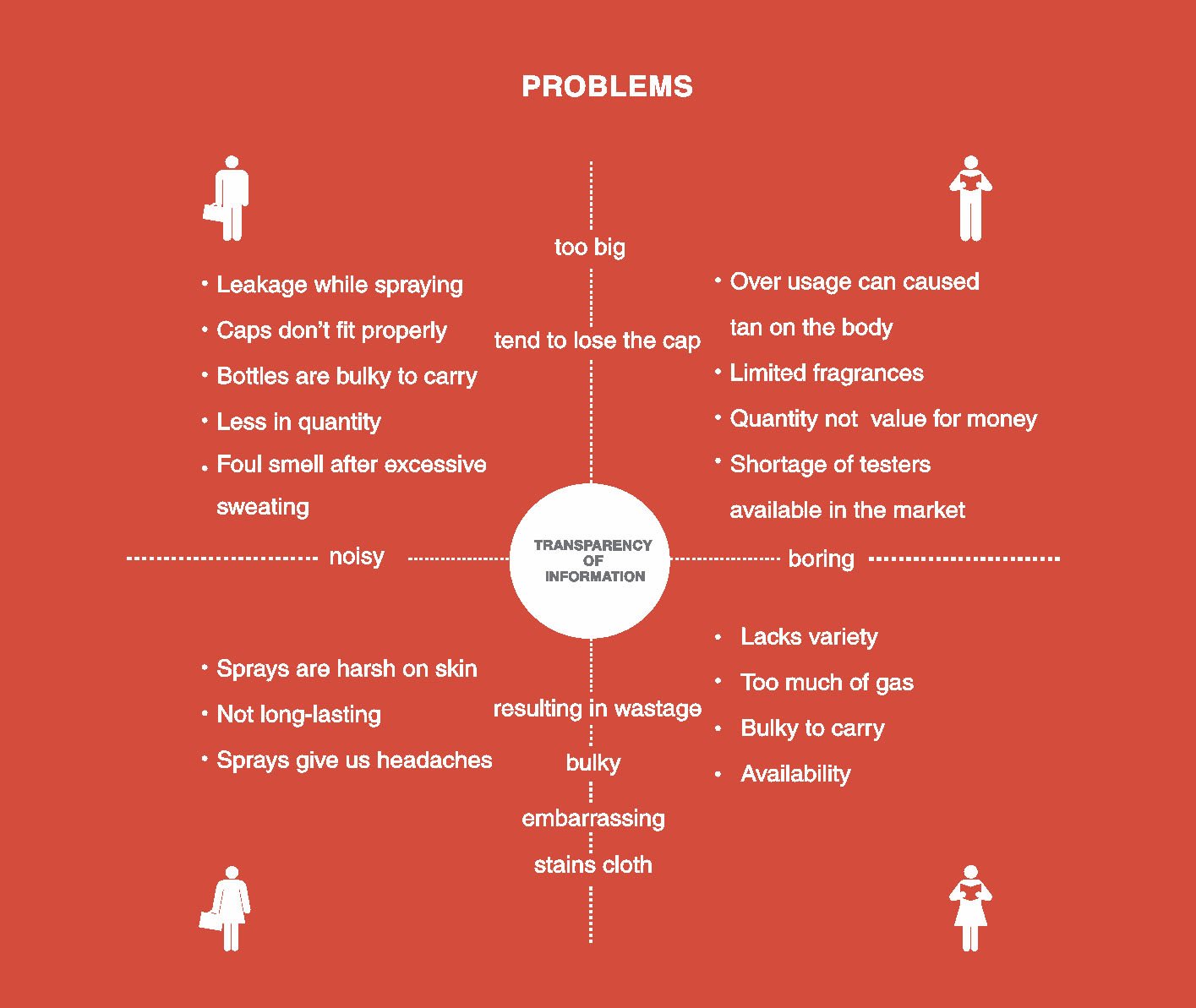
By understanding each of the consumer quadrants and split analysis in terms of spending capacity and usage, one thing is very clear… Boys will remain boys. Girls will remain girls. Concerns are similar. The extent of innovation differs due to lifestyle and economic variables.

IS THIS AN OPPORTUNITY FOR BRANDS TO BECOME LEADERS? HOW?

INNOVATION IS THE KEY!

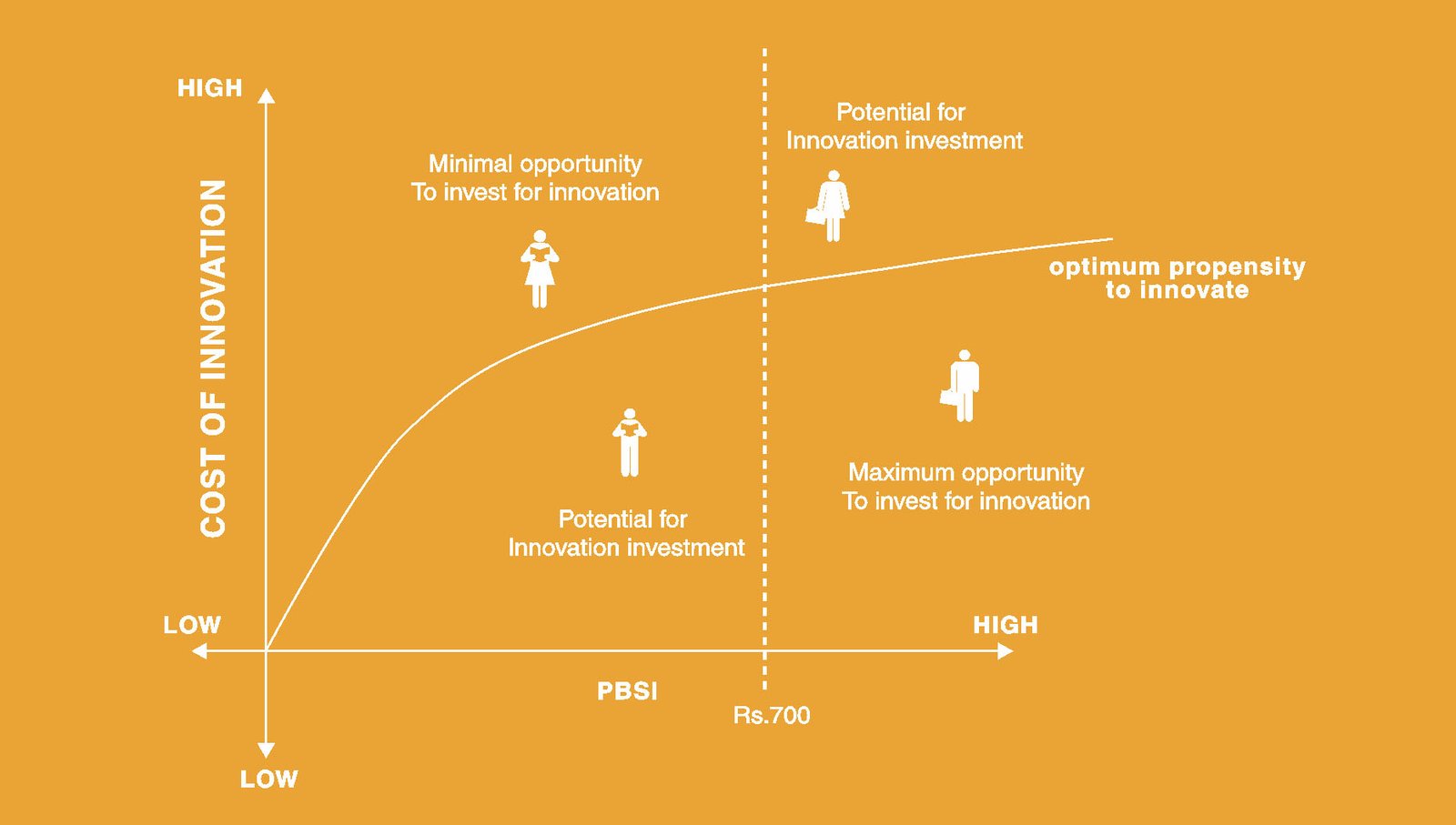
But innovation requires investment. So to which extent should a brand invest in opportunities of innovation.

Factual Foundation:
• Men present a higher share of the market.
• Product innovation is more expensive than brand/attribution innovation.
• PBSI (present individual body spray investment) equals number of variants or brand purchased (x) propensity to pay for one body spray.
• Optimum pbsi level is based on q third quartile average of overall respondent spends.
• Optimum propensity to invest demonstrates the relationship between the cost of innovation based on concerns and the innovation opportunity present.

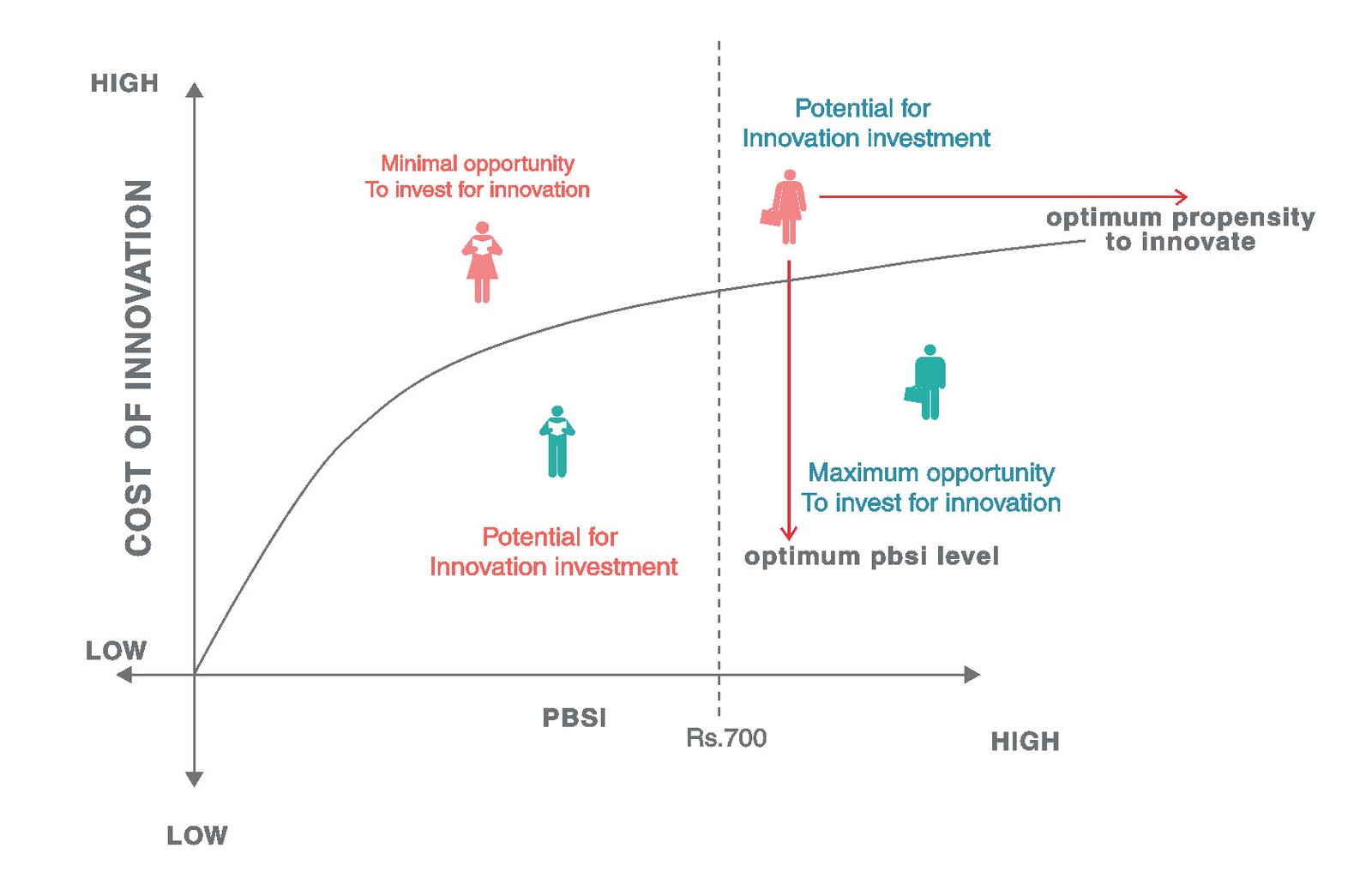
Working professionals (male) present the best opportunity to innovate due to comparatively low innovation costs (based on given concern areas) and high PBSI. Female youth present the lowest opportunity to invest in innovation. Any new target group can be entered into this analysis to understand the opportunity to invest in that segment.

HOW DO WE MOVE A TARGET SEGMENT INTO A REGION FOR OPPORTUNITY FOR INVESTMENT?

To move working professional (female) into a region of high opportunity to invest, we can either move the target audience east or south. The graph shows methods in which each target outside the maximum opportunity region can be moved.

Working Professional (female)
• This segment can be moved east through increasing the segments pbsi by increasing number of sprays used or the amount spent per spray.
• This segment can be moved south by transforming current concerns into benefits to reduce cost of innovation (e.g. embarrassment of using a body spray in public can be changed through a campaign to demonstrate how using a body spray in public is no longer taboo; Kleenex did a similar exercise with blowing your nose in public. Brands need to build romance, and increase the attraction of this segment towards the body spray segment.

Youth (male)
• This segment can be moved east through increasing usage. This can be done through brand and packaging changes to attract and engage with the audience. As this audience looks for more variety, innovation to offer more sprays in a minimalistic model can increase usage. Emotions will be the ultimate steroid to move this segment across.

Youth (female)
• This segment needs to be moved east and south. Specific product aimed at this category understanding its needs from the product level may help move this segment to become a contributor in this sector. This segment looks difficult, but with care and love; it, too, will move over time.

HIGHLIGHTS

This is a category of love. Consumers, which fall in love, will be loyal in the short-term due to the flirtatious nature of this category. Brand managers needs to continuously strive to engage and flirt back with their consumers to keep the spark between the brand and the consumer going. Investment in engagement activities depends on the value of the consumer segments. The value is derived from the cost of the consumer expectations, propensity to pay, and frequency of usage. As shown in this study, design and packaging being the first point of contact between the product and the consumer it is important for brand managers to maintain a steady dialogue with their consumer audience to understand their changing preference, address their needs, and keeping ‘wowing’ them with memorable innovative designs and engagement activities. Love@FirstSight aims to define and go into the depths of the consumer psyche to develop ideas of impact again and again.

AN AFFAIR UNCOVERED

UP’S AND DOWN’S BETWEEN THE CONSUMER AND THE BODY SPRAY SEGMENT

KEEPING THE SPARK ALIVE – FILTERING OUT THE OPPORTUNITIES

• Relative concerns can provide opportunities for brand managers.
• This will help to bring about brand leadership.
• To maintain these relationships, brands need to invest in the innovation process.
• Brand managers can target their segment by understanding each target segment’s behavior, preference, concerns, and aspirations.

TARGET SEGMENT WORTHINESS – GOLD DIGGER OR TRUE LOVE

Each target segment gives an opportunity to define them to evaluate if they are segment worth investing in innovation for:
• In the current scenario working men can be defined as a segment which shows true love with give& take relationship.
• Working Women have an opportunity to create love if there are initiative to increase the usage of the product
• Youth male is a great opportunity as they are a category with great potential of love and they tend to invest a lot in the buying process.
• Youth Female would truly be a gold-digger in this category due to low usage and high expectation for investment in innovation.

Any new category can be assessed in the amount of investment to be made in innovation based
on the usage and the costs of their expectation of the aspects of innovation.


For more on this, write to us at info@lokusdesign.com.

« First‹ Prev12131415
© 2018 Lokus Design Pvt. Ltd. All Rights Reserved.